Packing List For Tanzania Safari Tours

Packing List For Tanzania Safari Tours

Our Travel Tips

Its safari time, then you packs your bags for safari, the most important thing is not to run into extremes. Those who accustomed to travel with the minimal baggage can be confused by the search of necessary things on endless expanses of African savannah. But prudent tourists who grabbed a million of things, are running the risk of enjoying the beautiful nature looking through a narrow slit of their bags. Therefore let’s remember the main safari rule:

  • Travelers move on SUVs with their baggage in the parks
  • If your program begins and ends in the same hotel, then you can leave your luggage there.

If there are too many bags, they will be carried on the car’s roof and you will lose a chance to drive with open roof and take nice pictures of animals. It concerns most of all the big groups, since all Land Cruisers are seven-seater and if there are two of you, you can take even 3 bags but if you are 6-7 persons, in this case you should prepare your baggage with some trepidation. In spite of the minimal luggage you should not suffer of the lack of the comfort.

Shoes and clothes for safari

Most of your travel time you will spend sitting in the car. Therefore, clothes should be comfortable, of soft natural fabrics, with a minimum of rubbers, laces, tightening belts and decorative elements such as massive buttons.

Note that to see some animals, you have to go early in the morning, and at this time the weather can be cool and warm clothes would require. Consider the time of the year and weather conditions in this area.

For the safari you will need:

  • long sleeves shirt;
  • warm sweater or light jacket (the temperature in the Ngorongoro falls to 0 degrees in the evening and in the morning);
  • a pair of T-shirts / T-shirts (preferably 1 pc for every day safaris);
  • light cotton trousers;
  • shorts;
  • swimsuit / trunks (if lodges are equipped by pool);
  • headwear (wide-brimmed hat, panama or cap with a visor would be perfect).

Note that during your trip off road, the dust enters inside the car through the open windows / roof, so don’t choose blindingly white clothes, it is better to choose featureless and pale tones like khaki.

Light running shoes, sandals or slippers would be perfect. Much depends on the place of lodging and the hotel level. For example,

  • Ngorongoro most hotels are at an altitude of 3000 m, where at the night time the temperature falls to zero, so warm clothes will be useful.
  • Serengeti, on the contrary, it can be hot in sneakers, however the journey in sandals would be more comfortable.

What medicaments you should take to safari

Staff your mini first aid kit:

  • Analgesic and antipyretic;
  • Drugs from stomach problems (e.g., Enterofuryl, No-Spa, Imodium, Festal, activated carbon);
  • Antiseptic (iodine, cream relieves itching and irritation after insect bites);
  • Bactericidal plaster, bandage;
  • Antimalarial drugs (such as Malarone, Lariam);
  • Tablets from motion sickness while the bad work of vestibular apparatus (Dramina, Dramineks);
  • Antihistamines for allergies (Claritin, Loratadine, Azelastine).

It is also recommended to bring the repellents because mosquitoes are usually active early in the morning and at sunset, midges terrorize everybody near the water bodies and the botflies feast in the near vicinity of the animals.

Do not forget the sunscreen! Choose a product with SPF 40 protection or higher that the equatorial sun will not paint your skin in all the shades of an African sunset.

Other important tips

Even if your program includes all full board hotels and lodges, we recommend you to take nonperishable food for snacking. Adrenaline, drive, emotions and fresh air can work wonders with an appetite!

On a road you might have need:

  • Biscuits, corn bread and other snacks;
  • Fruit (pre-washed);
  • Chocolate bars;
  • Various mixtures of nuts / dried fruit.

Important stuff necessary for the safari

Even if the weather forecast guarantees the lack of sun, don’t hurry up to lay out protective glasses. They will help protect your eyes from wind, dust and small insects while you pop out of the window or through the open roof of the running speed car in search of objects for observation. Put in your backpack:

  • Bandage on the face for protection against dust, it can be important in some regions;
  • Spare batteries/batteries for photo, video (in our safari vehicles have a device to recharge your battery);
  • Binoculars to see the details of the surroundings and animals (in the car there is always one pair of binoculars, so take extra only at your discretion);
  • Paper copies (passports, visas, traveler’s cheque, tickets, insurance), which is better to keep separately from the originals;
  • dry and wet wipes;
  • Hygiene items (shower gel, toothbrush);
  • Disinfectant gel/spray for hands;
  • Adapter for the socket (when requesting, our company provides it free).

An ideal packed luggage for safaris must fit into a small suitcase. You can bring additionally a case for the video/photo cameras.

If you still have some questions about the luggage set, our managers will always tell you the right decision. Contact us!

Provided Food And Water While Climbing Mount Kilimanjaro

Provided Food And Water While Climbing Mount Kilimanjaro

During your climbing time, you will be provided with breakfast, lunch and dinner each day spent on the mountain. The food, specifically selected to help your climb, are:

  • High energy carbohydrate foods that are easily digestible.
  • The primary carbohydrate of the meals are rice, potatoes and pasta.
  • Fresh fruit and vegetables accompany every meal.
  • Meat is served on the mountain but not in large quantities because it is not easily digestible at high altitude and nor does it keep well on the mountain.

We resupply the team with fresh food throughout the climb.

Water is collected from mountain streams and treated with water purification tablets. Water is provided only at the campsites so you need to carry enough water, usually about 3 liters, to stay hydrated while you hike.

Below are sample menus for your three meals:

DAY
BREAKFAST
LUNCH
DINNER
1
  • Tea
  • Coffee
  • Hot Chocolate
  • Tea
  • Coffee
  • Hot Chocolate
  • Vegetable Soup
  • Tea,
  • Coffee
  • Hot Chocolate
  • Vegetable Soup
2
  • Toast
  • Biscuits with Margarine, Jam, Peanut Butter, Honey
  • Bread,
  • Biscuits or Pancakes with Jam, Peanut Butter, Honey
  • Bread,
  • Biscuits or Pancakes with Jam, Peanut Butter, Honey
3
  • Eggs
  • Sausages or Bacon
  • Chicken Curry
  • Rice
  • Chapati
  • Green Beans
Spaghetti with meat sauce
4
  • Porridge or Pancakes

Snack:

  • Peanuts
  • Popcorn
  • Cake
  • Cookies
  • Potatoes
  • Rice
  • Pasta
5

Fresh Fruit:

  • Mango
  • Orange
  • Pineapple
  • Banana
  • Avocado
  • Watermelon

Fresh Salad:

  • Tomato
  • Cucumber
  • Onion
  • Carrots
  • Green Peppers

Fresh Vegetables:

  • Carrots
  • Peas
  • Tomato
  • Beans
  • Greens

You may want to bring some supplementary “comfort” foods, such as candy, gum, chocolate, health bars or powdered energy drinks.

We can accommodate vegetarian and vegan diets. For those with special diets, please contact us to discuss what we can or cannot do. Note that food selection is limited in Tanzania, so although we will try to please all clients, in some cases clients will be asked to bring their specific food items to us, which our cooks will prepare.

Medical Check Up Before Climbing Mount Kilimanjaro

Medical Check Up Before Climbing Mount Kilimanjaro

All climbers should have a medical check prior to attempting the mountain. Ask your doctor if high altitude trekking is permissible for your age, fitness level and health condition. Ask if you have any preexisting medical conditions that can cause problems on the climb. Ask if any of your medications can affect altitude acclimatization. Ask whether Diamox can be taken with your existing prescription medicines.

If you have any medical issues that can be make climbing Kilimanjaro more dangerous for you than the average person, we need to be informed of this before you book.

Such medical issues include but are not limited to:

  • Spine problems
  • Circulation problems
  • Internal problems such as diabetes, hypoglycemia, intestinal or kidney problems
  • Respiratory issues such as asthma
  • High or low blood pressure
  • Head trauma or injury heart conditions
  • Blood disease
  • Hearing or vision impairment
  • Cancer
  • Seizure disorders
  • Joint dislocations
  • Sprains

The minimum age for climbing Mount Kilimanjaro is 10 years old. There is no maximum age. However, the climb is strenuous and presents health risks, especially to people in high risk categories. Serious consideration should be given to anyone under the age of 18 and over the age of 60. The climbers on the extreme ends of the age spectrum should definitely consult their doctor.

Note that:

Our minimum fitness requirements are that each climber must have a resting heart rate of under 100 beats per minute. We will check your resting heart rate before your climb. If your resting heart rate is above 100, you will be required to see a local doctor prior to the climb to get approval. The average resting heart rate is 60-80 beats per minute.

Price List For Climbing Mount Kilimanjaro

Price List For Climbing Mount Kilimanjaro

All payments in Tanzania are in USD only.

Our Kilimanjaro climbs routes are the majority of adventurers are looking for a fusion of the highest safety standards and comfort. You will stay in good hotels (with doting staff, reliable Wifi, good cuisine and swimming pool).

Our professional porters will take care of all expedition arrangements, carrying supplies and luggage, setting up the tents and cooking meals. Our guides will be leading your way, ensuring that our safety protocols are strictly followed. Our high-altitude chefs will make sure that your food are nicely-cooked, boosting your stamina for summit success.

It will be an adventure of a lifetime!


5 DAYS CLIMB + 2 DAYS IN HOTEL
1 Person
2-4 Persons
5-7 Persons
8-10 Persons
11+ Persons
MARANGU ROUTE
$1,590
$1,480
$1,420
$1,380
$1,320
6 DAYS CLIMB + 2 DAYS IN HOTEL
1 Person
2-4 Persons
5-7 Persons
8-10 Persons
11+ Persons
MARANGU ROUTE
$1,780
$1,660
$1,600
$1,560
$1,500
RONGAI ROUTE
$1,770
$1,650
$1,590
$1,550
$1,490
MACHAME ROUTE
$1,750
$1,630
$1,570
$1,530
$1,470
UMBWE ROUTE
$1,750
$1,630
$1,570
$1,530
$1,470
7 DAYS CLIMB + 2 DAYS IN HOTEL
1 Person
2-4 Persons
5-7 Persons
8-10 Persons
11+ Persons
RONGAI ROUTE
$1,950
$1,820
$1,770
$1,710
$1,650
LEMOSHO ROUTE
$1,950
$1,820
$1,770
$1,710
$1,650
MACHAME ROUTE
$1,920
$1,810
$1,750
$1,690
$1,630
8 DAYS CLIMB + 2 DAYS IN HOTEL
1 Person
2-4 Persons
5-7 Persons
8-10 Persons
11+ Persons
LEMOSHO CRATER ROUTE
$2,440
$2,310
$2,270
$2,210
$2,160
NORTHERN  CIRCUIT ROUTE
$2,120
$1,980
$1,930
$1,880
$1,800
9 DAYS CLIMB + 2 DAYS IN HOTEL
1 Person
2-4 Persons
5-7 Persons
8-10 Persons
11+ Persons
LEMOSHO CRATER ROUTE
$2,650
$2,510
$2,460
$2,410
$2,360
 
$2,660
$2,520
$2,470
$2,420
$2,370

The climb cost includes:

  • Pick up at International Airport;
  • Transfer to the hotel Parkview inn or Kilimanjaro wonders hotel
  • Professional mountain crew. Each participant will be provided with a porter (who can carry up to 15 kg of personal baggage);
  • Fair wages for the mountain crew as approved by the Kilimanjaro National Park Authority (KINAPA), Kilimanjaro Association of Tour Operators (KIATO)
  • Kilimanjaro National Park permits.
  • Kilimanjaro National Park rescue fees;
  • Camping/hut fees;
  • 3 meals daily while on the mountain. The menu includes different soups, garnishes, several types of fish and meat, fresh fruit and vegetables; vegetarian options are available upon request;
  • Modern tents
  • First aid kit;
  • Portable flush toilet can be provided for free upon client’s request
  • Warm and comfortable sleeping pads (2 inches thick);
  • Group equipment (dining tent, table, chairs, crockery and cutlery);
  • Meeting the group at the National Park exit and transfer to the hotel;
  • Accommodation after the climb
  • International certificates for a successful ascent;
  • Return transfer to Kilimanjaro airport.

The climb cost excludes:

  • Flights tickets
  • Visa fee
  • Personal gear rental
  • Items of a personal nature
  • Laundry Services
  • A doctor for the group
  • Tips for the mountain crew

Tip on Mountain Kilimanjaro is recommended for group sharing as following:

  • Guide $15 – $20/guide/day
  • Cook $10 – $15/day
  • Porters $8 – $10/porter/day

Importance Of Full Moon Dates

Importance Of Full Moon Dates

Summiting Mt. Kilimanjaro on a cloudless evening is without a doubt an unforgettable experience. Now imagine seeing the glaciers glitter in the moonlight of a full moon absolutely stunning.

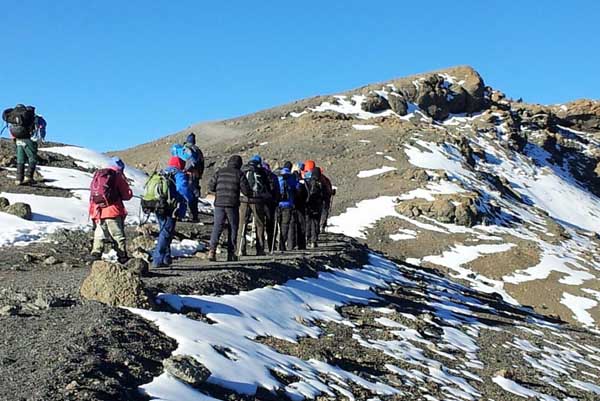
The majority of a Kilimanjaro climb takes place during the day and it is only the summit attempt that starts before midnight in order to reach the summit at sunrise. A summit attempt done during a full moon could make the evening climb easier and very beautiful since you might not need to switch on your head lamp in the bright moonlight. However, it is also very bright for sleeping and stars are not as visible.

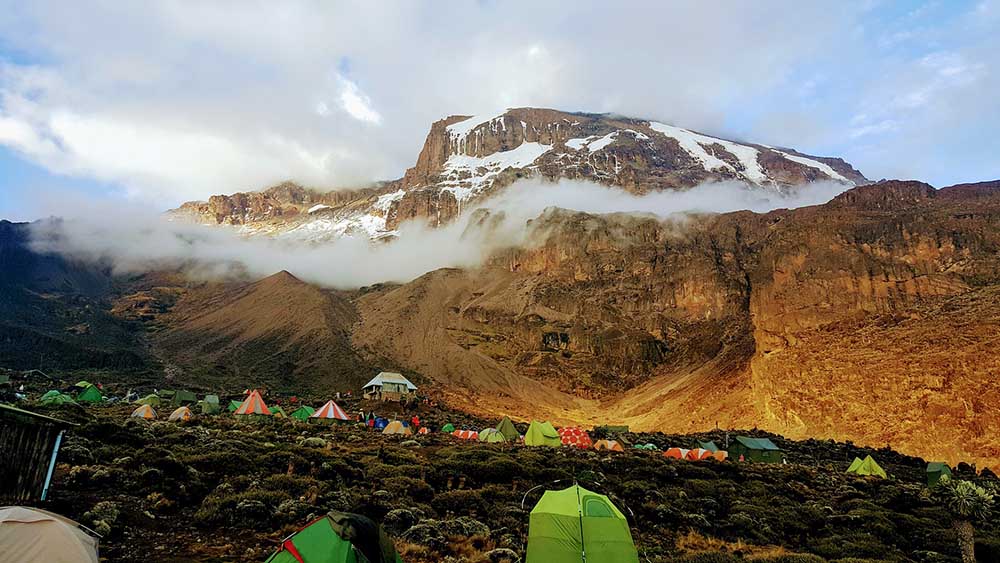
Planning a trek up Mt. Kilimanjaro to coincide with the full moon dates detailed below, could further enhance the whole experience, as the bright moonlight would provide spectacular views of Kibo from most of the overnight camps.

Kindly note that we cannot guarantee the accuracy of the information provided in any of the above Full Moon tables. Although every effort is made to achieve accuracy in these moon calendars, users may use these dates strictly at own risk and are therefore strongly advised to confirm the accuracy of the details at own arrangement, before travelling.

Who Can Climb Mount Kilimanjaro?

Who Can Climb Mount Kilimanjaro?

Our Travel Tips

The short answer to the question: Can anyone climb Mount Kilimanjaro? Is obviously no.

If you are super young or ridiculously old you will unlikely be able to cope with what Kilimanjaro throws at you. Equally, if you are obese or severely disabled you can probably write Kilimanjaro off your bucket-list.

For the average person though, being able to successfully climb and summit Kilimanjaro is definitely attainable. You don’t need to be particularly fit and you do not need any technical climbing skills.

Children over the age of 10 can legally have a go, as can older generations in their 60s and 70s. And all you need is determination and then willing to get to the summit.

The real challenge with climbing Kilimanjaro is the altitude and the rate of ascent.

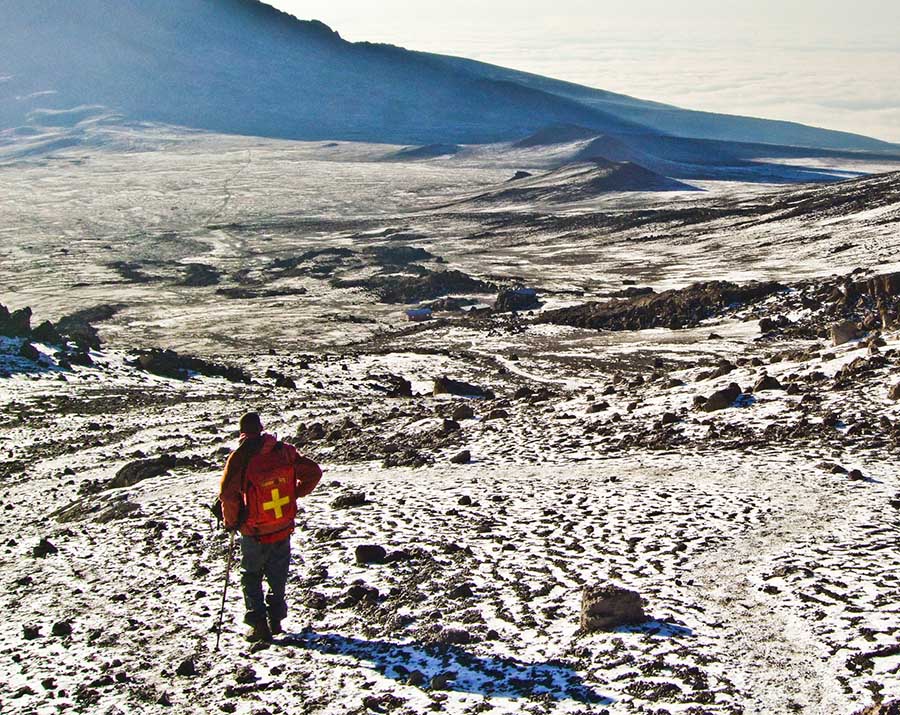
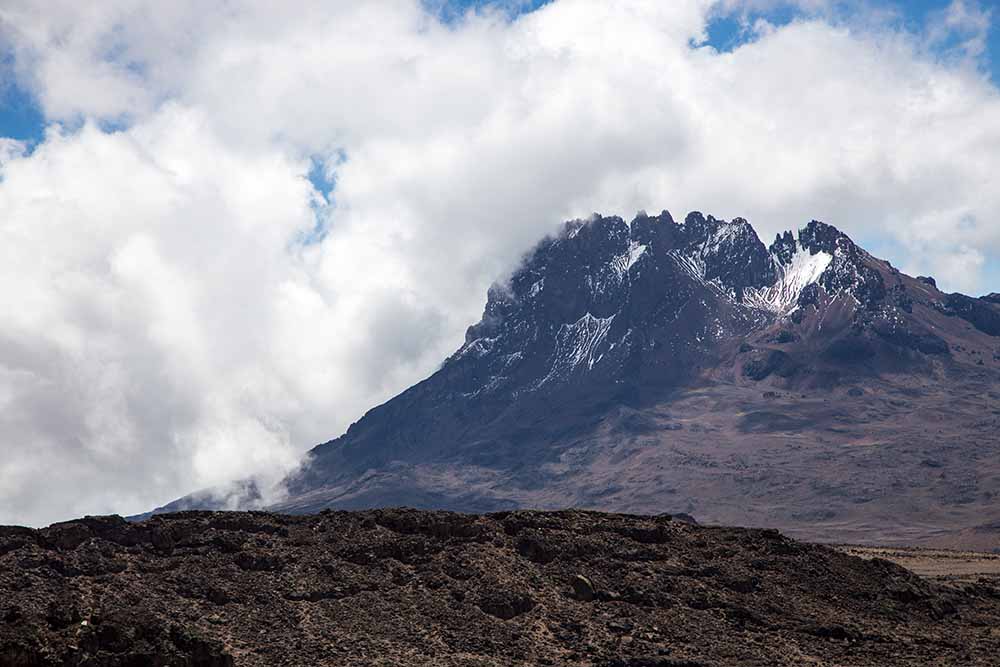
Standing at 5,895 meters (19,341 feet), Kilimanjaro is firmly classified as an extreme altitude mountain trek. At high altitudes the body is susceptible to a condition called Acute Mountain Sickness (AMS) or altitude sickness.

As many as 50% of people who climb Kilimanjaro suffer from AMS symptoms, often mild and moderate variants. However, more severe complications such as High Altitude Cerebral Edema and High Altitude Pulmonary Edema are also possible on Kilimanjaro, and can be fatal.

The onset of AMS symptoms is not directly correlated to factors of age, gender, fitness level etc.

To increase your chances of success you should apply these four principles:

  • Longer routes provide more time to properly acclimatize and therefore success rates are higher. Seven day routes are our preferred option for trekkers
  • Routes that offer a climb high, sleep low acclimatisation day are preferable the Machame route and Lemosho route provides the best climb high, sleep low opportunity
  • Go slowly through- out your trek. Do not over-exert yourself. Conserve energy at all times. You will hear your porters say ‘Pole Pole’, this means Slow, Slow in Swahili. Listen to them
  • Drink loads of fluids (3-4 liters of water a day)

Tanzania Safari Packages

Tanzania Safari Packages

WILDLIFE SAFARI IN TANZANIA

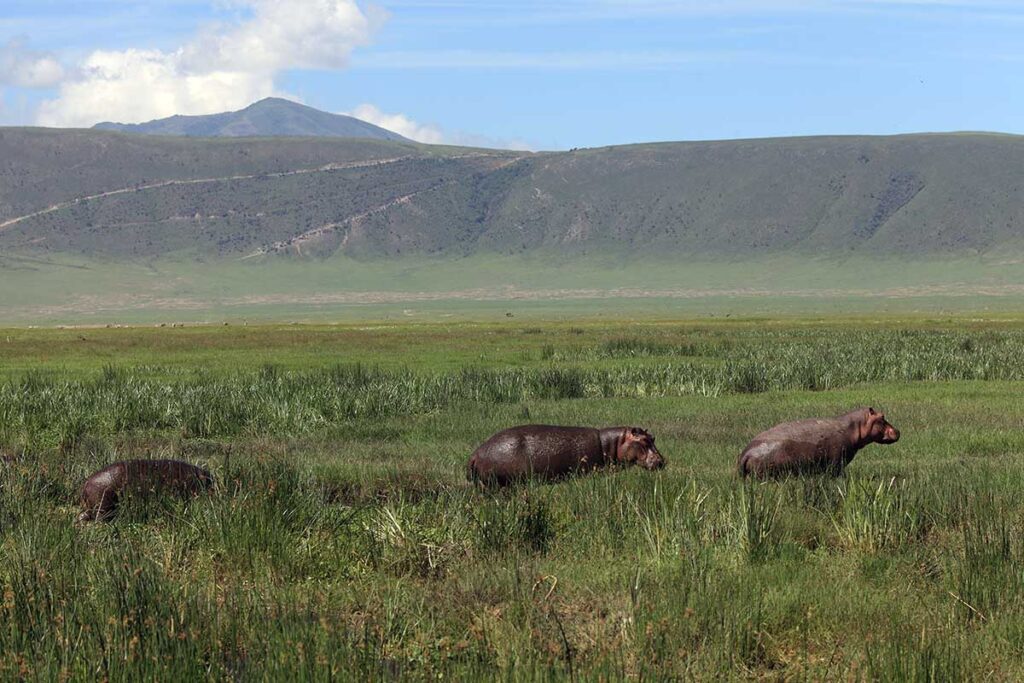
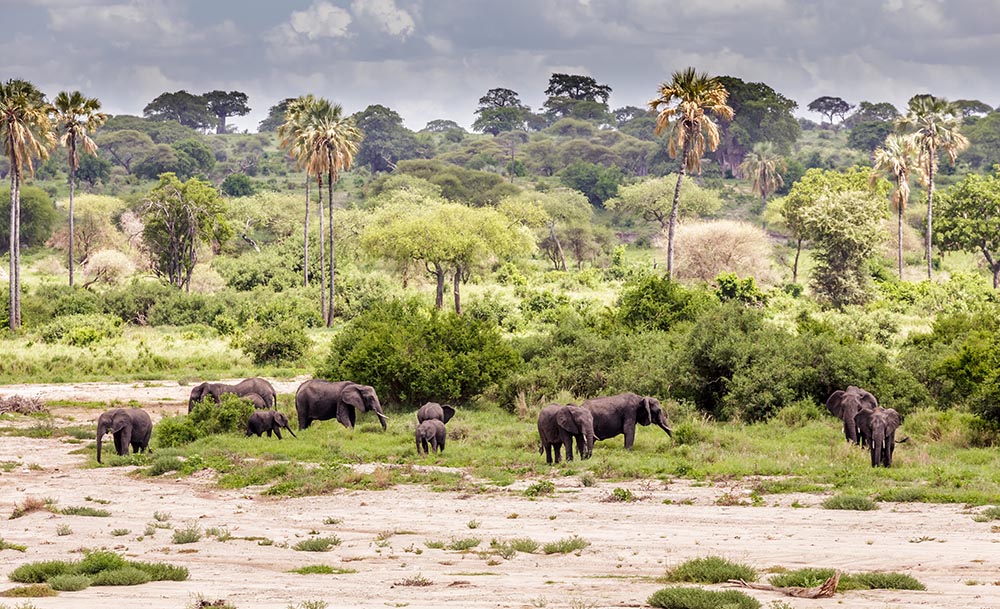
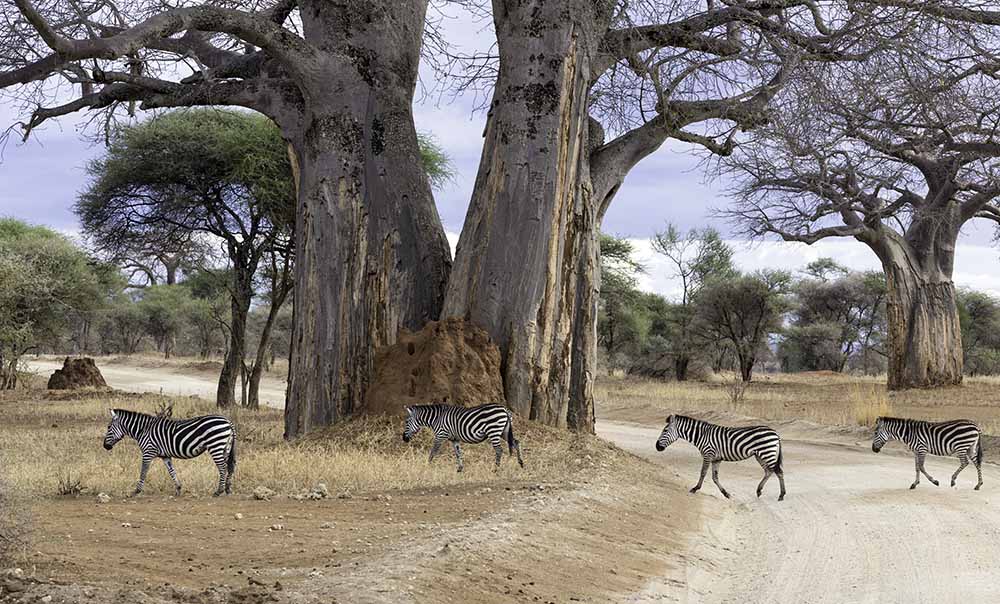
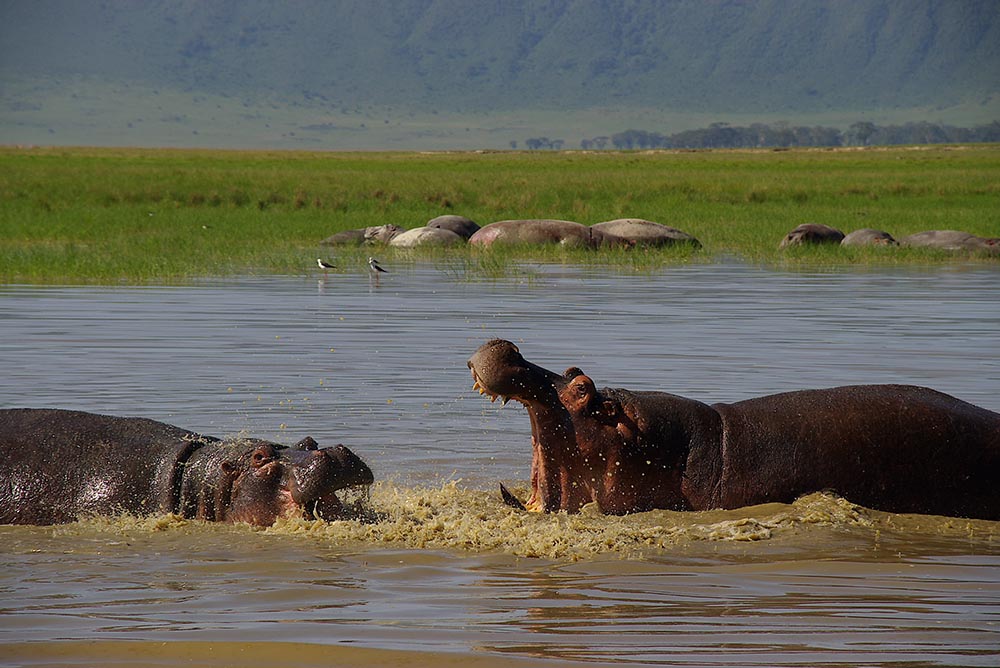
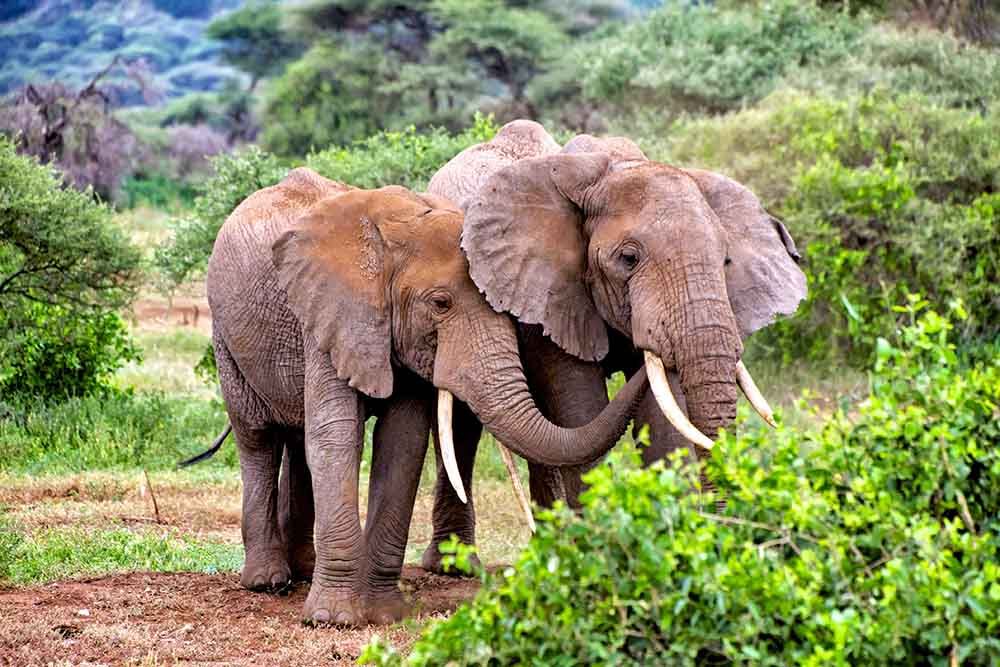
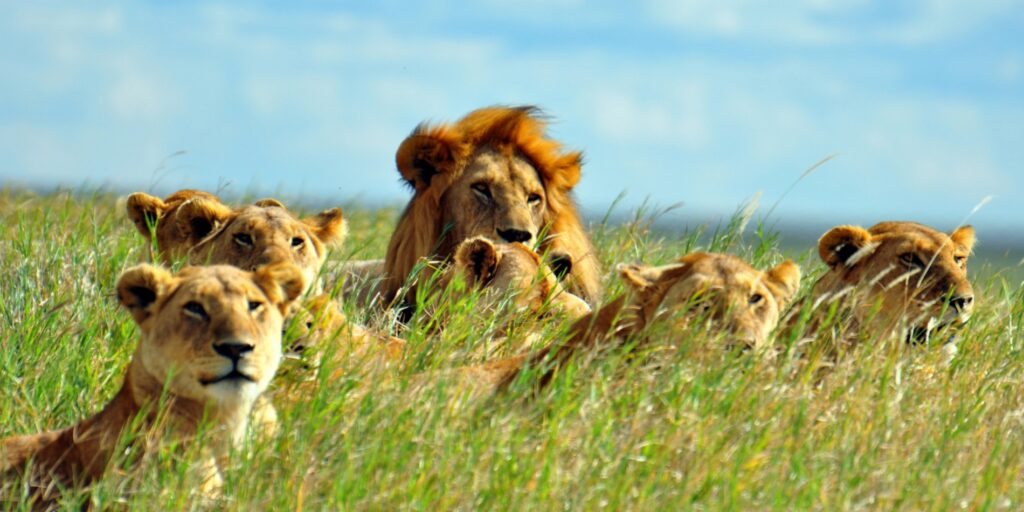
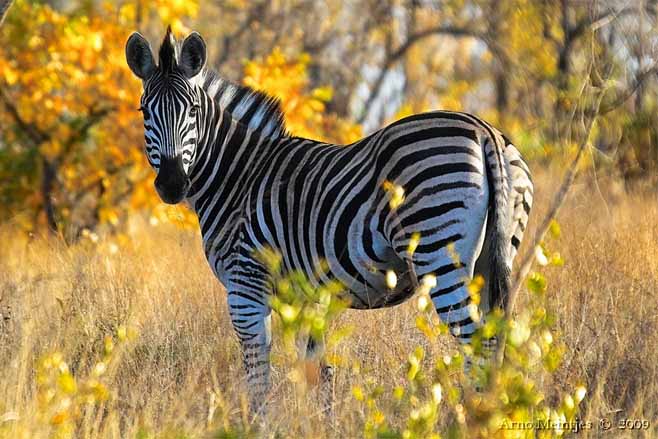
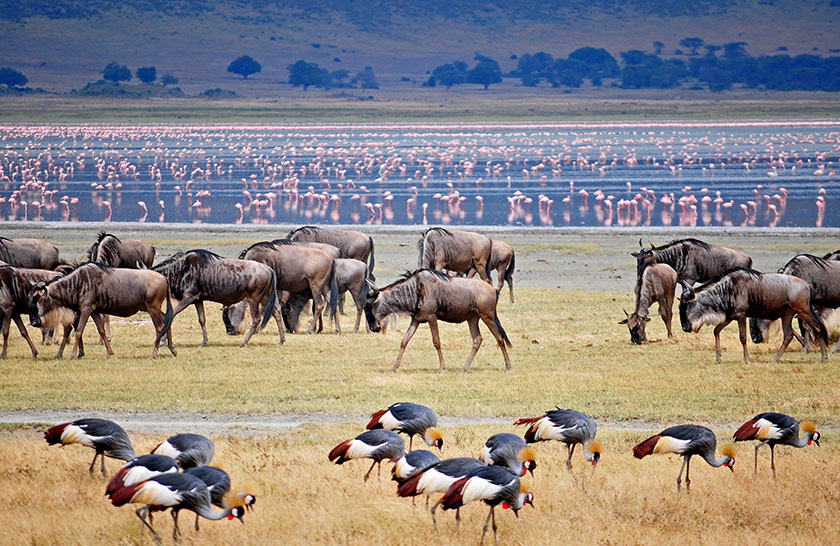
In terms of wildlife, Tanzania is home of the world’s greatest national parks. The diversity, density and sheer numbers of animals are almost unparalleled, and all of Africa’s iconic safari species live out their dramatic days here.

All weather adventures have passionate team provides each guest with a unique and personal safari experience in the supernatural African wildlife safari.

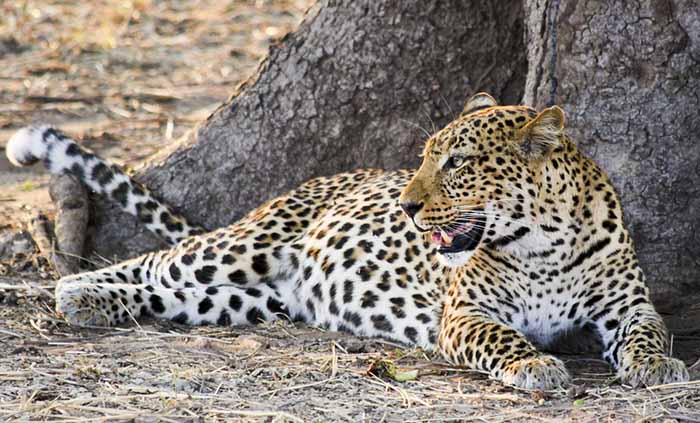
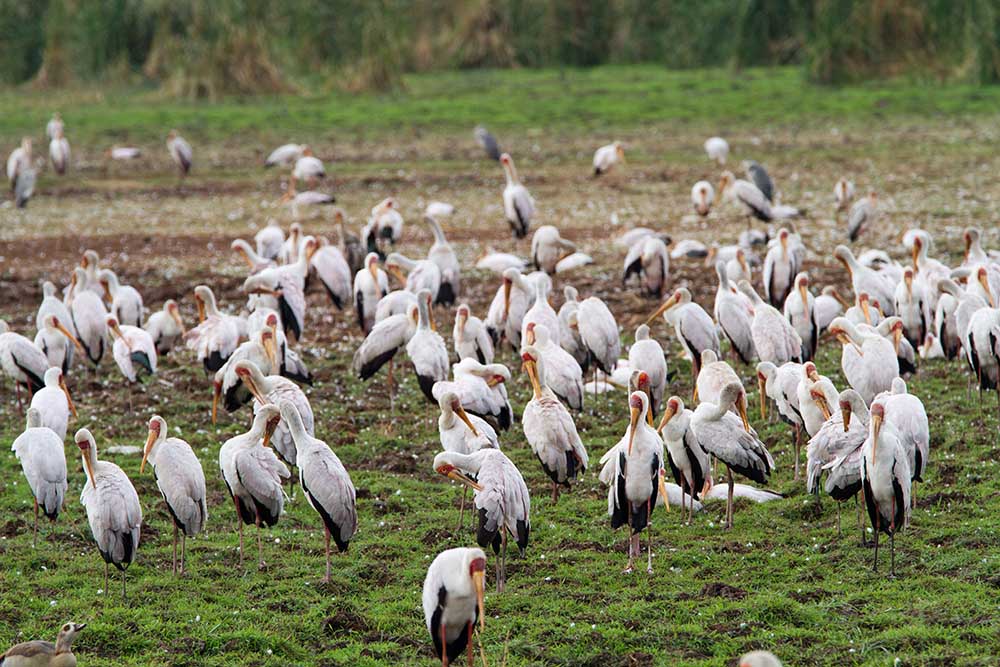
Our exciting game drives who is a professional game rangers, will share their extensive experience and knowledge with you. Encounter Africa’s Big Five: lion, leopard, rhino, buffalo and elephant, as well as an abundance of other wild animals and birds on this authentic wildlife safari.

The only way you can experience the magnificence of the Tanzania Park is to come and experience it for yourself.

Vaccinations Before Climbing Mount Kilimanjaro

Vaccinations Before Climbing Mount Kilimanjaro

What Vaccinations, Immunizations and Medications Do I Take?

Vaccinations for Tanzania and Zanzibar

The only one vaccination for entering Tanzania is the immunization against yellow fever. The certificate of vaccination is required only while visiting Zanzibar or endemic transit countries (Kenya, Ruanda and etc.).

The immunization against yellow fever is just a recommended measure rather than a mandatory one (the same applies to vaccinations against tetanus, cholera, hepatitis and typhoid fever).

If you have a little time before the departure, then do not experiment with the resistance of your immunity before taking your flight. The vaccination against yellow fever is held no earlier than 10 days before the departure and it is contraindicated for pregnant, people suffering from allergy to antibiotics and egg white.

Vaccines against Malaria?

Malaria is always a serious disease and may be a deadly illness. Humans get malaria from the bite of a mosquito infected with the parasite. Your risk of malaria may be high in all countries in East Africa, including cities. All travelers to East Africa, including infants, children, and former residents of East Africa, may be at risk for malaria. Prevent this serious disease by seeing your health care provider for a prescription antimalarial drug and by protecting yourself against mosquito bites. Therefore, if you want to protect yourself 100%, you should follow the recommendations:

  • Medicines for the malaria prevention: atoyaquone/proguanial, Malarone, Doxycycline, Lariam (Mefloquine) .
  • During safari it is better to stay at hotels / lodges because their rooms are equipped with insecticide-treated mosquito nets (refuse to stay in simple tents);
  • Carry a malaria rapid diagnostic test with you
  • If you have high temperature, chills, vomiting and other symptoms of illness, do the malaria test and in case of a positive result, treat to the nearest hospital.

Food and Waterborne Diseases

Make sure your food and drinking water are safe. Food and waterborne diseases are the primary cause of illness in travelers. Travelers’ diarrhea can be caused by viruses, bacteria, or parasites, which are found throughout East Africa and can contaminate food or water. Infections may cause diarrhea and vomiting (E. coli, Salmonella, cholera, and parasites), fever (typhoid fever and toxoplasmosis), or liver damage (hepatitis).

In order to be safe and healthy

  • Wash your hands often with soap and water or, if hands are not visibly soiled, use a waterless, alcohol-based hand rub to remove potentially infectious materials from your skin and help prevent disease transmission.
  • In developing countries, drink only bottled or boiled water, or carbonated (bubbly) drinks in cans or bottles. Avoid tap water, fountain drinks, and ice cubes. If this is not possible, learn how to make water safer to drink.
  • To prevent fungal and parasitic infections, keep feet clean and dry, and do not go barefoot, even on beaches.
  • Always use latex condoms to reduce the risk of HIV and other sexually transmitted diseases.
  • Protect yourself from mosquito insect bites:
  • Wear long-sleeved shirts, long pants, and hats when outdoors.
  • If no screening or air conditioning is available: use a pyrethroid-containing spray in living and sleeping areas during evening and night-time hours; sleep under bed nets, preferably insecticide-treated ones.

Things to Avoid

  • Do not eat food purchased from street vendors or food that is not well cooked to reduce risk of infection (i.e., hepatitis A and typhoid fever).
  • Do not drink beverages with ice.
  • Avoid dairy products, unless you know they have been pasteurized.
  • Do not swim in fresh water to avoid exposure to certain water-borne diseases such as schistosomiasis.
  • Do not handle animals, especially monkeys, dogs, and cats, to avoid bites and serious diseases (including rabies and plague). Consider pre-exposure rabies vaccination if you might have extensive unprotected outdoor exposure in rural areas.
  • Do not share needles for tattoos, body piercing or injections to prevent infections such as HIV and hepatitis B.
  • Avoid poultry farms, bird markets, and other places where live poultry is raised or kept.

10 Things You Need To Know Before You Climb Mount Kilimanjaro

10 Things You Need To Know Before You Climb Mount Kilimanjaro

Our Travel Tips

To climb Mount Kilimanjaro is a once in a lifetime opportunity. People travel from all over the world to stand on top of the Roof of Africa. Being properly prepared to climb Mount Kilimanjaro is the key to a successful summit attempt. In this article we discuss the 10 things you need to know before you climb Mount Kilimanjaro
  1. Determination
  2. Getting to the top of Mount Kilimanjaro has a lot to do with determination. There will likely be a point during the summit attempt where you might feel like giving up typically around Stella Point or Gilman’s Point. You might be feeling awfully sick and exhausted. At that lowest point it is important that you remain determined to get to the top one step at a time! Of course your determination must not supersede your health. Monitor AMS symptoms closely. Your guide will be monitoring you. It is important that you listen to your body and others in your group if they say that you need to descend. Being prepared is key to success on Kilimanjaro
  3. Kilimanjaro Guides and Porters
  4. The Kilimanjaro guides and porters are your greatest asset on the mountain. Most guides and porters are locals who speak Swahili. Guides usually have a good command of English. Typically every climbing group has at least 1 guide, and each climber has three porters. Porters carry all gear, tents, cooking supplies and water. You will learn to respect these guys by the end of day one on your climb. Each porter carries approx. 15kg of kit on their back.
  5. Water on Kilimanjaro
  6. Water is critical on the mountain. On day one you will be given 2-3 litres from your guide. During the climb porters will be collecting water to replenish supplies. You should aim to drink at least 3 litres of water a day. Dehydration is a key cause of AMS so make sure you remain hydrated. You can add an energy supplement to your water to make it more palatable. You must add water purification tablets to your water.
  7. Kilimanjaro Food
  8. Eating well on Kilimanjaro is key to your success you’ll need the energy on summit night. Food is carried and prepared by your guiding team.
    • Typically breakfast consists of tea / coffee, bread with spreads, porridge, sausage and eggs.
    • Lunch usually includes soup, bread, a cooked stew or sandwiches. Dinner is similar to lunch.
    Taking adequate snacks is important. Energy bars are a great idea. Plan to eat 3 a day. One of the main symptoms of AMS is nausea and loss of appetite. If you experience these symptoms you must remember to try eating something to ensure that you have some energy reserves you can draw on during the summit. Eating a few biscuits helps!
  9. Acclimatization on Kilimanjaro
  10. Given enough time the body adapts to changes in altitude. Some people experience worse altitude sickness symptoms than others. There is no correlation between susceptibility to altitude sickness and factors of gender, age, fitness etc. To prepare for altitude it is important that you understand the symptoms associated with Acute Mountain Sickness. The three key things to remember are: Go slowly at all times, even on the lower reaches of the mountain Do not exert yourself. You will hear the porters and guides say “Pole Pole”. This means ‘slow slow’ in Swahili. Make sure you listen and go slow
  11. Drink load of fluids
  12. Dehydration is a key cause of Acute Mountain Sickness. The more fluids you can drink the better. Daily recommended intake is 3 litres of water. You can add an energy supplement to the water to make it taste better and always remember to add purification tablets.
    • Climb high, sleep low
    Climbing high, sleeping low allows your body to experience altitude for a short period before descending to sleep. On Kilimanjaro it is highly recommended to have an acclimatization day. Typically this happens on day 3 where you climb high (approx. 4,600m and sleep low approx. 3,900m)
  13. Kilimanjaro Weather – When to book your climb?
  14. There are two rainy seasons on Kilimanjaro March through to end of May and November through to February. The south is wetter than the northern slopes, making the Rongai route a favorite during the rainy months. Typically rain is less prevalent above 3,000m, which means you are only likely to experience rain on Day 1. You may however experience snow and sleet on the upper reaches of the mountain
  15. Kilimanjaro Routes
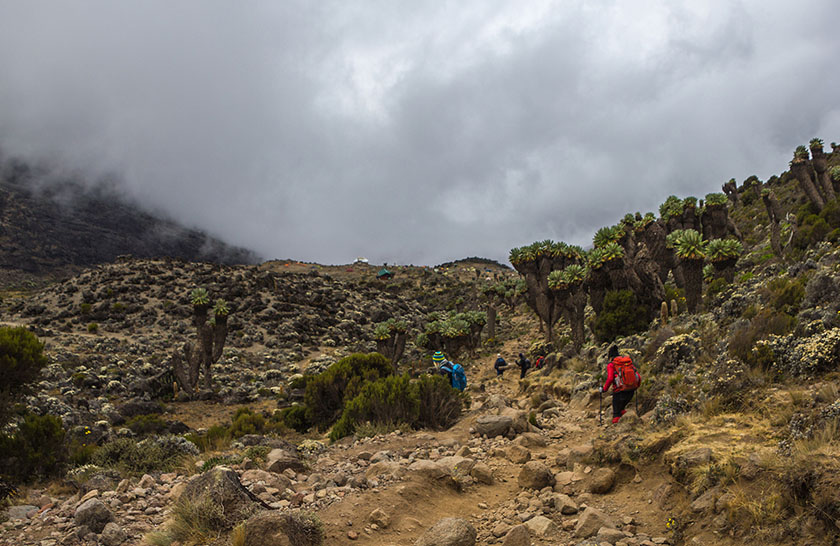
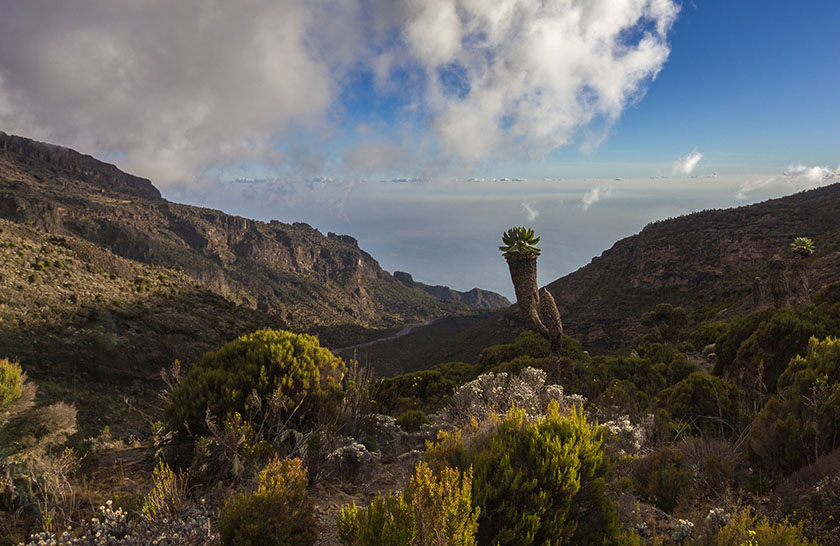
  16. There are seven routes from which one can climb Mount Kilimanjaro. The Machame, Umbwe and Marangu routes approach the summit from the South. The Rongai route which starts from the North East is dryer than the other routes and therefore a little less scenic. Because it is slightly out of the way the route is never overcrowded. Some people start their climb from the East using the Lemosho and Shira route. Both are very scenic and beautiful. The newest route is the Northern Circuit, which is also the longest route. The Northern Circuit provides lots of opportunity to acclimatize and hence success rates are high on this route. Here is a complete overview on Kilimanjaro Routes
  17. Kilimanjaro Kit Requirements
  18. We cannot stress enough the importance of having the right equipment to climb Mount Kilimanjaro. The hike covers four climatic zones and therefore layering of clothes is key to staying warm and comfortable as you ascend. A base thermal layer, mid fleece layer and outer jacket is a must. The right gloves and hiking boots are also critical. Many hikers use trekking poles which are helpful for balance and take the pressure off your knees, especially when you descend. The list of kit requirements is fairly lengthy. We recommend reading our detailed Kilimanjaro Packing List here.
  19. Climbing Skills on Kilimanjaro
  20. To Climb Mount Kilimanjaro does not actually require any climbing skills. In fact, Kilimanjaro is just one big hike. On the Machame, Lemosho, Shira and Umbwe Route there is one section called the Barranco Wall that requires very basic bouldering skills. No preparation is required for this section of the hike though.
  21. Fitness to climb Mount Kilimanjaro
  22. There is a common misconception that you need to be super fit to be able to climb Mount Kilimanjaro. This is simply not true. In fact many fit people struggle to reach the summit because they exert themselves too much during the early stages of the trek and therefore don’t give themselves enough time to acclimatize during the ascent. Of course having a good level of health and fitness is important for anyone wanting to climb Mount Kilimanjaro, but you don’t need to be an experienced marathon runner! On Kilimanjaro you will be trekking approx. 5-7 hours a day (summit day being a lot longer). Preparing for these treks through practice hikes in your home country is a great way to build up your fitness level. If you don’t have time to do practice hikes our recommendation is to do basic cardiovascular exercises at the gym, such as running and cycling. This article gives detailed advice on training to climb Mount Kilimanjaro.

Climbing Mount Kilimanjaro

Climbing Mount Kilimanjaro

All weather adventures is a boutique mountain guide service based in Tanzania. We offer high successful rate of reaching to the top of first highest mount in Africa (5895 m/19341 f).

All weather adventures are carefully on developing safety programs for each climber. Before departing on any expedition, we provide climbers with a wealth of information and guides are available to answer questions. We realize helping climbers achieve personal goals starts well before the climb. We make great effort to be accessible and respond quickly to all information required by our customers

We are expecting participants to have a positive attitude and to be physically and mentally prepared for the demands of the journey. We take the “team effort “idea seriously, and presume each climber shares our passion for mountains, cultures and environmental issues.

Safety is the number one priority in all climbing endeavors.