Best Time To Climbing Mount Kilimanjaro

Best Time To Climbing Mount Kilimanjaro

The mountain Kilimanjaro can be climbed all year round, however it is best to climb when there is a lower possibility of rain. The dry seasons are from the beginning of:-

  • December through the beginning of March
  • Late June through the end of October.

These are considered to be the best times to climb in terms of weather and correspondingly are the busiest months (high season).

The most important issue is safety, as the risks associated with climbing increase significantly when the weather is foul. The effects of rain, mud, snow, ice and cold can be very strenuous on the body. Likewise, your chances of a successful summit also increase significantly with nice weather. Of course, the mountain gets more foot traffic during these periods as well.

From January through mid-March are the warmest months, with clear skies in the mornings and evenings. During the day, clouds may appear along with brief showers. The long rainy season spans from the end of March to early June.

All weather adventures we do not recommend climbing during long rain season unless you are an experienced backpacker who has trekked in similar conditions. It can be very wet, and visibility may be low due to heavy clouds. The crowds are gone, however. From mid June to the end of October, the mountain is generally a bit colder, but also drier. The short rainy season spans from the beginning of November to the beginning of December. Afternoon rains are common, but skies are clear in mornings and evenings.

Note that the rains are unpredictable and may come early or extend beyond their typical time frames. It is possible to experience mostly dry weather conditions during the rainy season, just as it is possible to have heavy rain during the dry season.

Weather on Kilimanjaro – When to Go?

April – June

The main rainy season lasts from the end of March through to mid June. As elsewhere in the world, when exactly it rains and when it stops is impossible to predict. It’s the warmest time of the year in Tanzania, but those months are so wet that many operators simply do not offer climbs in April/May at all.

June – August

The rain gradually decreases, and so do the temperatures on Kilimanjaro. The weather on Kilimanjaro is fairly dry and clear but the nights will be bitter cold. June is quiet, but the number of climbers increases as the year progresses. It is an excellent idea to choose June for your adventure because of great weather and almost climbers-free routes.
The number of climbers will be increasing as the year progresses. Starting from July the majority of the routes will be quite busy.

August – October

August and even more so September is the peak climbing season on Kilimanjaro. The weather is good with many clear days and warmer than in June/July. You may, however, get clouds blanketing the forest/moorland zone, and on the southern routes you may get rained on on the first days. But once you leave the rain forest behind all is good! The good conditions last into about mid October when the build up for the short rains begins.

October – November

The weather on Kilimanjaro becomes more unstable and the number of climbers drops. As in all tropical regions of the world, the wetter time of the year announces itself with afternoon clouds and occasional thunderstorms. As long as you are equipped to withstand the occasional shower, this should not present any major problems.

November – December

November is the small rainy season, and the rain lasts into mid December. The temperatures have dropped and the rain brings with it all the hazards that I described at the top of the page.

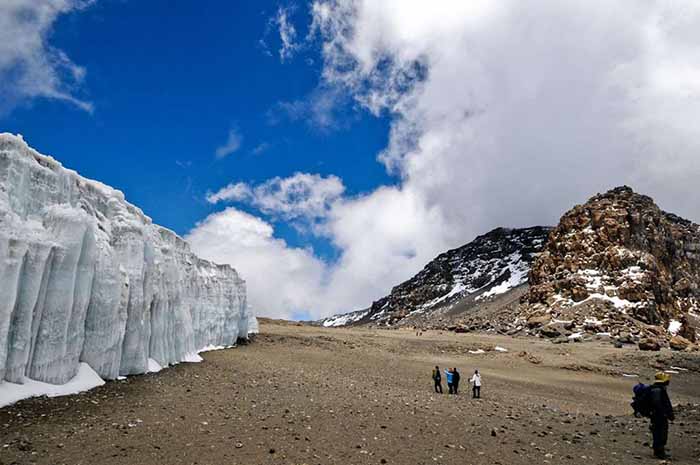
November might not be the best pick in terms of weather, but gives a great opportunity to enjoy the breathtaking views of misty-covered Mount with its snow-capped peak, and to make some terrific pictures.

December – January

The four to six weeks around Christmas and New Year are the second peak climbing season on Kilimanjaro. Traffic is extremely high despite there still being a good chance of rainfall and thick clouds in the lower regions. It’s not a time I would choose.

January – March

Mid January to mid March is also a good time to climb Kilimanjaro. The weather is reasonable, not too cold, not too wet, and there aren’t as many climbers. The days are mainly dry, beautifully clear with few clouds and occasional brief showers. In March the chances of rain gradually increase as you approach the long rainy season.

Helpful Information

Climbing During the Low Season

The prospect of having the mountain to yourself is what draws people to climb during the low season. The mountain is very empty and it is possible to be the only party at a campsite. This quiet and solicitude is what many people seek when going outdoors.

Secondly, although it does rain quite a lot during the low season, most of the time the rains arrive in the afternoon. With Kilimanjaro’s trekking schedule, most of the hiking can be done in the mornings, which means that the time spent on trails while it rains can be minimalized. One thing people forget is that precipitation creates snow, which is not a bad thing. Kilimanjaro is best displayed during the rainy season. The most beautiful sights of the mountain often are enjoyed in the mornings after it snows. No matter when you climb, you have the chance to see the night sky over the rift valley.

Why we say that, mountain Kilimanjaro can be climbed all year round?

More things worth mentioning about the weather on Kilimanjaro.

You may decide to climb at a less than perfect time, be it because you want to avoid the main rush or because that is the only suitable timing for you holidays. If you do so, consider Northern Circuit Route or the Rongai Route. The northern side of the mountain is much drier than the other Kilimanjaro routes. Moreover, if you want the best weather on Kilimanjaro but hate crowds, the same applies. Choose your route wisely.

There is less traffic on Rongai, Lemosho and Northern Travers Route than on the popular and always busy Machame and Marangu routes

Some climbers prefer to summit during a full moon.

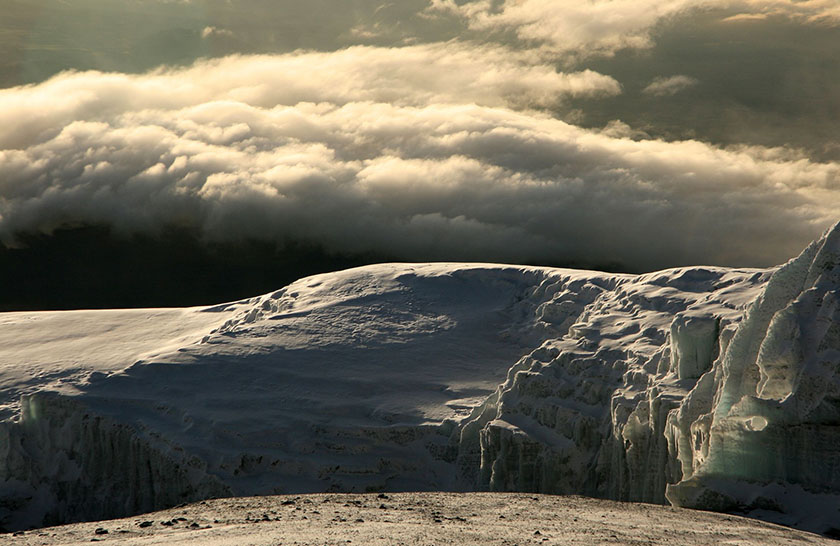
Summiting Mt. Kilimanjaro on a cloudless evening is without a doubt an unforgettable experience. Now imagine seeing the glaciers glitter in the moonlight of a full moon absolutely stunning.

The majority of a Kilimanjaro climb takes place during the day and it is only the summit attempt that starts before midnight in order to reach the summit at sunrise. A summit attempt done during a full moon could make the evening climb easier and very beautiful since you might not need to switch on your head lamp in the bright moonlight. However, it is also very bright for sleeping and stars are not as visible.

Planning a trek up Mt. Kilimanjaro to coincide with the full moon dates detailed below, could further enhance the whole experience, as the bright moonlight would provide spectacular views of Kibo from most of the overnight camps.

Kindly note that we cannot guarantee the accuracy of the information provided in any of the above Full Moon tables.

Although every effort is made to achieve accuracy in these moon calendars, users may use these dates strictly at own risk and are therefore strongly advised to confirm the accuracy of the details at own arrangement, before travelling.

Choose Your Best Climbing Mount Kilimanjaro Route

Choose Your Best Climbing Mount Kilimanjaro Route

Which route to choose for hiking?

Selecting a Kilimanjaro climb route is one of the most important decisions you have to make. While have different difficulty levels and different success rate. There are seven established routes to climb Mount Kilimanjaro:

  1. Marangu route
  2. Machame route
  3. Lemosho route
  4. Shira route
  5. Rongai route
  6. Northern Circuit route
  7. Umbwe route

The Marangu, Machame, and Umbwe routes all approach from the south of the mountain (Mweka is used only for descent). The Lemosho, Shira and Northern Circuit routes approach from the west. The Rongai route approaches from the north. The illustrations below depict a dimensional view of Kilimanjaro’s climbing routes and a close up of the approaches to the summit.

Selecting a route is a hard choice for most climbers.  To find the best Kilimanjaro route for you, considerations should be taken for:-

  • The route’s scenery
  • Difficulties
  • Foot traffic
  • High success rates
  • Its altitude acclimatization characteristics

Marangu (“Coca Cola”) Route

Known as the “Coca-Cola” route, the Marangu route is a classic trek on Mount Kilimanjaro. It is the oldest, most well established route. The Marangu route is also the only climbing route that uses the same path up AND down, which contributes to it being the most crowded climb route on Kilimanjaro.

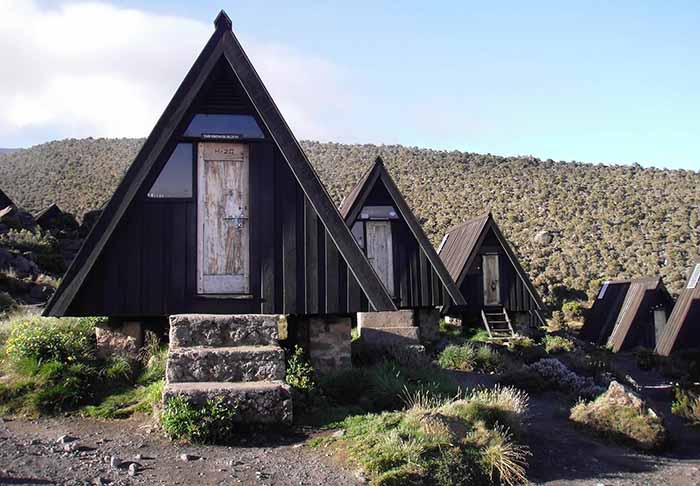
Many favor the Marangu route because it is considered to be the easiest path on the mountain, given its gradual slope. It is also the only route which offers sleeping huts in dormitory style accommodations.

The minimum days required for this route is five, although the probability of successfully reaching the top in that time period is quite low. Spending an extra acclimatization day on the mountain is highly recommended when climbing Kilimanjaro using the Marangu route.

Marangu is favored only during the rainy season, where the hut accommodations are preferred over wet ground, or for those who only have five days to climb Kilimanjaro (which we do not recommend anyhow).

Machame (“Whiskey”) Route 

Known as the “Whiskey” route, the Machame route is now the most popular route on the mountain. Compared with Marangu, the days on Machame are longer and the walks are steeper. The Machame route is considered a difficult route, and is better suited for more adventurous folks and those with some hiking or backpacking experience.

Machame is indeed a more difficult climb in some respects, but it does have much higher success rates than Marangu, especially if you choose the seven day version. (According to estimates about 60% of the climbers on Machame make it to the summit, and over three quarters reach the crater rim.)

The route begins from the south, then heads east, traversing underneath Kilimanjaro’s southern ice field before summiting. The minimum number of days required for this route is six days, although seven days is recommended.

The Machame route is scenically beautiful and varied.

Lemosho route

The Lemosho route is one of the newer routes on Mount Kilimanjaro. The first two days on the Lemosho route take you through beautiful and very remote rainforest, with good chances of seeing wildlife. The start of the trail is also known as the Lemosho Glades.

The route begins in the west and rather than simply intersecting Shira Plateau (like Machame), Lemosho crosses it from Shira Ridge to Shira Camp. Climbers encounter low traffic until the route joins the Machame route. Afterwards, Lemosho follows the same route through Lava Tower, Barranco and Barafu, known as the southern circuit.

The minimum number of days required for this route is six days, although eight days is ideal.

Lemosho is considered the most beautiful route on Kilimanjaro and grants panoramic vistas on various sides of the mountain. It is our favorite route because it offers a great balance of low traffic, scenic views and a high summit success rate. Thus, Lemosho comes highly recommended. Most of our clients use Lemosho.

Shira Route

The Shira route approaches Kilimanjaro from the west and then joins the Machame route. Hence everything that has been said about the Machame climb route also applies to the Shira route. In fact, Shira was the original route and Lemosho is the improved variation. While Lemosho starts at Londorossi Gate and treks through the rain forest to Shira 1 Camp, the Shira route bypasses this walk by using a vehicle to transport climbers to Shira Gate, located near the Shira Ridge.

On the first day on the mountain, climbers begin their hike from 11,800 feet (3,600 m) and spend their first night at the same elevation at Simba Camp. Then, the route merges with Lemosho and follows the southern circuit route.

Although Shira is a varied and beautiful route, Lemosho is recommended over Shira due to the relatively high altitude of Shira’s starting point, which is accessed quickly by vehicle. It is possible that climbers will experience some altitude related symptoms on the first day while camping at 11,800 feet.

Overall, Shira has excellent success rates if the schedule involves a night at Karanga Valley (making for a short and easy day before the summit day). However, the good success rate is partly due to the operators on this route being higher level than on the more crowded routes

Northern Circuit Route

The Northern Circuit route is the newest, most exciting route on Kilimanjaro. The trek follows the Lemosho trail in the beginning, approaching Kilimanjaro from the west. However, instead of following the southern traverse like all the other west approaching routes, the Northern Circuit traverses the mountain around the quiet, rarely visited northern slopes.

The Northern Circuit route is a nine day climb, which is the longest route in terms of time and distance travelled. The days spent at around 13,000 feet are great for acclimatizion, resulting in the highest success rates for all routes on Mount Kilimanjaro.

With a high success rate, incredible varied scenery and a very low number of visitors, the Northern Circuit route is certainly one of the best routes on Kilimanjaro.

Rongai Route

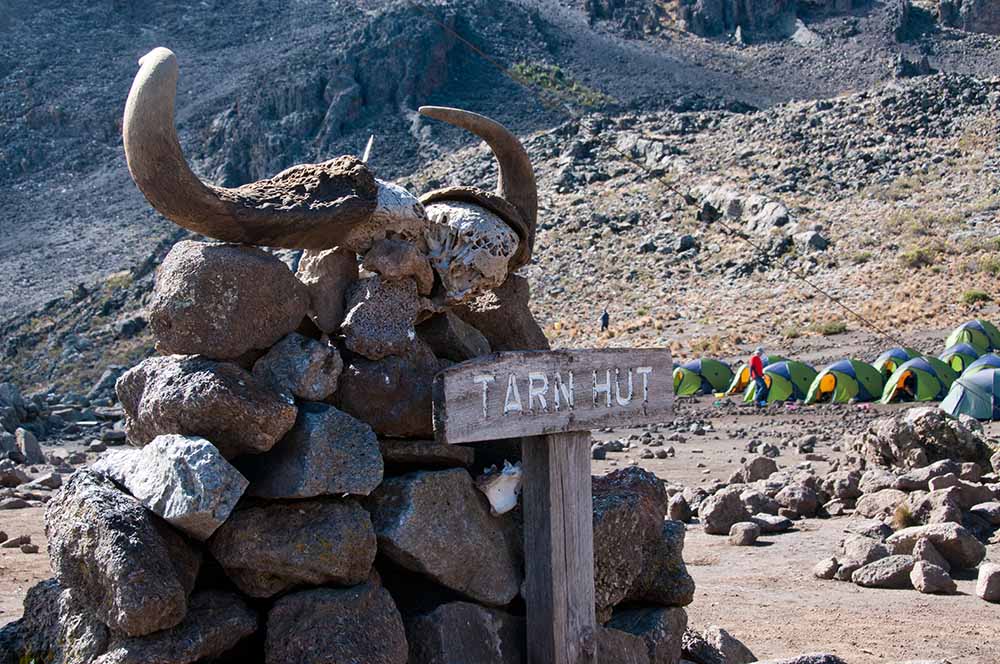
The six day version of the Rongai route (via Mawenzi Tarn) is the route of choice for those looking for an easy climb with excellent success rates, but away from the crowds with great scenery and a wilderness feel to it, Rongai has low traffic. It is the preferred route for those looking for an alternative to the crowded Marangu route, for those who would like a more remote hike, and for those who are climbing during the rainy season (the north side receives less precipitation).

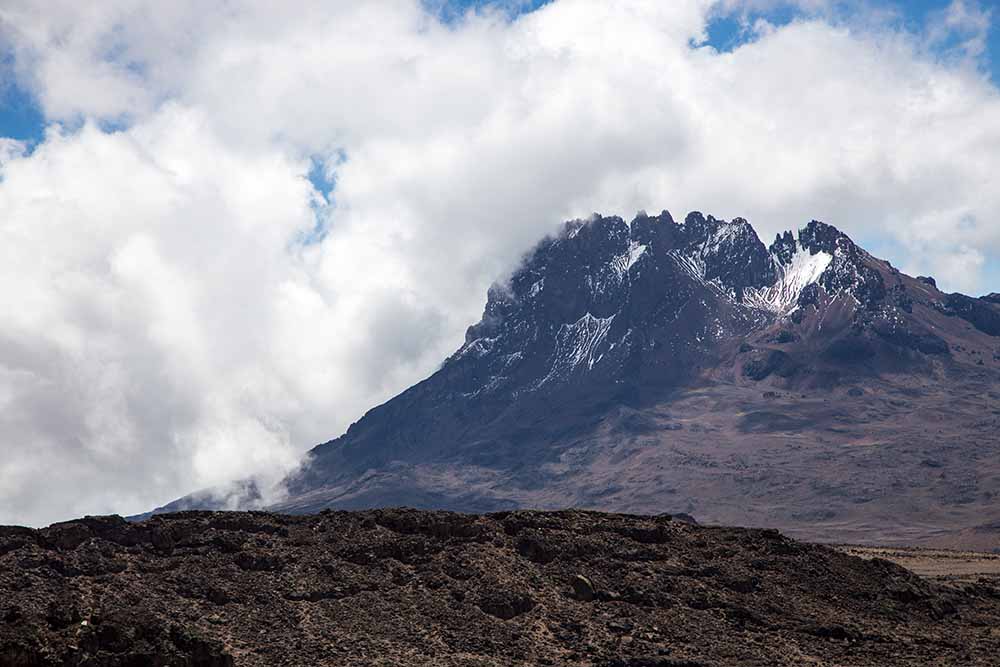
The Rongai route has a reputation of being less scenic, but even if there is not quite as much variety as on Machame, it is still a spectacular route, especially on the later days. The camp beneath Mawenzi Peak is one of the most scenic on the mountain.

Rongai is also one of the routes where seeing wildlife on Kilimanjaro is still possible. The Rongai climb has the same easy, gradual climb profile as the Marangu route. It rises very steadily, there aren’t any steep climbs involved, no major ups and downs.

The minimum number of days required for this route is six days, and seven days are recommended.

With a good operator you have an 80 – 90% chance to make it to the crater rim, and 70 – 80% will make it to Uhuru Peak.

(If you have some trekking experience your chances to make it to the summit could be as good as 90%. (The remaining 10% come down to weather, individual preparation, individual altitude tolerance and unforeseen mishaps.)

The Rongai route has another important advantage: the northern side of Kilimanjaro is a lot drier than the other side. Your chances NOT to get soaked on the first days are excellent. Especially if you climb Kilimanjaro during one of the wetter periods of the year, using Rongai makes a lot of sense.

Umbwe Route

The Umbwe route is not a technical route, but it is a very direct, very steep, very tough, and in parts very exposed route. It is considered to be very difficult and is the most challenging way up Mount Kilimanjaro. Due to the quick ascent, Umbwe does not provide the necessary stages for altitude acclimatization. Although the traffic on this route is very low, the chances of success are also low.

The route is offered at a minimum of six days, though seven days is recommended when attempting this route.

The Umbwe route should only be attempted by those who are very strong hikers and are confident in their ability to acclimatize. However, overall, the Umbwe route is not recommended and we discourage its usage for our clients.

All Kilimanjaro Tips

Entry Requirements For Tanzania

Entry Requirements For Tanzania

The visa is permission granted to a foreigner who intends to travel to Tanzania on business, for a holiday, to study or conduct research or for other approved activities. When entering Tanzania, the visitor with a visa may then obtain from the immigration control officer, a pass or any other authority to enter the country.

For entry into the United Republic of Tanzania for tourism purposes it is necessary to have a valid foreign passport with an expiry date of at least six more months at the moment of crossing the border of the Republic. The passport must have two blank pages for seals and stamps on border crossing.

The passport must be presented to the Immigration Control Officer at any entry point: border station, airport and harbor. The passport must be presented along with one of the following:

  • A valid visa
  • Resident permit
  • A pass

A visitor must also present an onward or return ticket together with proof that the visitor has sufficient funds to support himself or herself while in Tanzania.

Ways to get a tourist visa.

Receiving VISA when you arrival to Tanzania:

​Tourist visa will be stamped into your passport by the immigration authorities of Tanzania upon arrival to the country. You may receive visa on arrival in one of the following entry points:

  • Kilimanjaro International Airport
  • Zanzibar International Airport
  • Dar es Salaam International Airport
  • The border crossings between Kenya and Tanzania (Namanga / Taveta)

Remember that arriving on the territory of Tanzania through other border crossings, you should have a valid visa stamp in your passport.

To avoid potential loss of passports in the mail or delays in visa processing, All weather Adventures recommends that US citizens obtain their visas upon arrival, at Kilimanjaro International Airport. It is an easy and simple process.

The cost of a Tanzanian visa for US citizens is $100, payable in US dollars.

Canadian, Australian, British and most European passport holders can also obtain visas upon arrival at the airport. The cost of a Tanzanian visa is $50, payable in US dollars. Confirm with your embassy.

Climbing Mount Kilimanjaro With All Weather Adventures

Climbing Mount Kilimanjaro With All Weather Adventures

Kilimanjaro climb high success rate

Climbing Kilimanjaro

All weather Adventures offers safe and comfortable expeditions with supreme comfort and safety standards, professional guides and modern gear.

Climbing Kilimanjaro does not require any technical skills or special equipment, just some physical fitness and determination. Different people have successfully summit. But the challenge should not be taken lightly. You need to understand what lies ahead. Rest assured, you will find the answers to all your questions here All weather Adventure.

The slopes of Mount Kilimanjaro are one of the best places in the world for spending a family vacation, celebrating a reunion of old friends, team-building of workmates, testing your stamina or brainstorming new ideas for your project. Everyone finds something unique here.

Our professional tour consultants have all made successful summit attempts and are therefore in a position to provide you with advice and in depth knowledge of the mountain. Essential advice on;-

  • How to climb Kilimanjaro?
  • How difficult / hard is a Kilimanjaro climb?
  • How long does it take for a Mount Kilimanjaro climb?
  • How much does it cost to climb?
  • Which route should I climb?

Is all covered in detail on this website. We provide unique and proper climb Kilimanjaro itineraries to suite your individual requirements and preferences, including all your hotel bookings, meet and assist at the airport, airport transfers to and from your hotel, as well as many exciting travel extensions to the surrounding game parks and the magical island of Zanzibar.

WHY CHOOSE ALL WEATHER ADVENTURES

Our tour consultants

  • Most of our sales staff have successfully summited Kilimanjaro themselves and are in a position to provide you with first hand expert advice.
  • We will arrange everything for you: park fees, transfers, accommodation, guides, porters, food and equipment, leaving you free to enjoy the climb.
  • After booking with us, we will provide a fast and efficient after-sales service, answering any questions you might have or providing any additional information and advice you may require.
  • We will provide you with all the information required, in order for you to choose the most suitable and most spectacular route for your trek.

Our climb Kilimanjaro website

  • We have one of the most comprehensive climbing Kilimanjaro guides on the Internet, available 24 hours a day to answer most of your questions.

Complete and comprehensive Kilimanjaro climb information package

  • With your booking confirmation, you will receive a very important Kilimanjaro Information pack which contains the following information:
    • Altitude sickness guide: As part of our total commitment to safe climbing practices, we provide all our clients with an unique guide on the prevention and management of altitude sickness on the mountain.
    • Comprehensive gear list: Document explaining the reasons why we recommend certain gear, as well as helpful buying guidelines.
    • Fitness program: To increase your chances of a successful summit attempt, we have developed a tailor made fitness program.
    • Also included is: Route map, essential information for your climb, tips for success, nutrition on the hike as well as general travel and language tips.
    • Our Kilimanjaro Information pack was designed to promote success and safety, and is a result of our dedication, experience, and a commitment to excellence.

Our guides and porters

  • We utilize highly trained and registered guides with years of experience, who will lead a team of support staff properly equipped, to look after you on the mountain.
  • On all our package options, every hiker is supported by at least one porter to carry their duffel bag (max 15kg) from one camp to the next.
  • The above average ratio of our support staff to climber is: 2 Porters per climber and 2 guides per a maximum of 4 climbers – a very favourable ratio we put in place to directly enhance your safety and enjoyment on the mountain.

Safety on the mountain

  • We supply emergency portable Oxygen (for emergency use only) with all our hikes.
  • We supply an important medic first aid kit (for emergency use only), to all our groups for both the Standard and Superior Packages on every hike.
  • All chief guides on all our packages, carry a pulse Oxi-meter (a small device that clips onto your finger measuring oxygen levels in your blood, a hiker that is not acclimatized well, will normally show lower oxygen reading).
  • All our packages include the Kilimanjaro Rescue Team (managed by KINAPA) fees.
  • We can offer you extended itineraries for the highly recommended extra acclimatization on the mountain, it is even possible to extend the duration of your hike, during your hike, while on the mountain (subject to additional costs and availability).

Kilimanjaro climb packages to suit your budget

  • We offer different packages to suit your budget:
  • The possibility to join any other group as listed on our website’s group starting dates schedule:  Flexible starting dates
  • Our hike starting dates are totally flexible as per your requirements, even for individuals we can schedule the start of your hike on any day of the year!
  • For unforeseen circumstances and on request, we are flexible regarding the change of your hiking dates (subject to availability, reasonable notice given and route chosen).

Unique cancellation policy

  • We have a unique cancellation policy: If you are forced to cancel your hike, due to work or medical related reasons, and notice is given within a reasonable time, we will grant you a 10 month period (from the date of cancellation) to reschedule your hike (you could be liable for any possible cancellation cost and / or price increases).

Climb Kilimanjaro equipment purchases and rental

  • Quality mountain equipment available for hiring including sleeping bags, hiking poles, jackets, gaiters etc.

Safari and Zanzibar add-ons

  • Extend your Kilimanjaro tour with a fantastic and amazing wildlife safari to some of the iconic National Parks in Tanzania – like the
  • Serengeti National Park
  • Ngorongoro Crater.
  • Lake Manyara National Park
  • Tarangire National Park
  • Arusha National Park

Please contact us for more info in this regard.

  • You may also consider a lazy beach recuperation on the magical island of Zanzibar

Kilimanjaro Climbing Routes

You may climb the Mount by several routes, which have been established by the Tanzania National Parks Authority to avoid unauthorized Kilimanjaro hiking and preserve the pristine beauty of the wilderness for the generations to come.

We recommend Lemosho and Rongai routes for novices, Northern Circuit and Machame for the beginners, and Marangu and Umbwe for climbers with prior hiking experience. Camping on all routes except Marangu (where the night stops are in huts).

Expection While Climbing Kilimanjaro

Expection While Climbing Kilimanjaro

Before you embark on your trekking adventure, you will meet with our Trekking Operations Manager for an extensive briefing. Route, safety procedures and health issues will be discussed in detail and you have enough time to ask any remaining questions. Your trekking gear will be inspected to ensure that you have everything you need to be safe and comfortable. If you are missing any gear, you can rent it from us.

During your climb, you only carry your backpack with essentials such as water for the day’s hike. Our porters will carry all equipment, food and additional luggage they are tough climbers and the true heroes of the mountain.

Our permanent mountain guides will lead the way. They are responsible for your safety and will encourage you and lend a helping hand, but also call the climb off due to weather, altitude sickness or injury, if necessary. Your safety is paramount to us. Most of our mountain guides have been part of our team for many years, been up Kilimanjaro hundreds of times and all receive regular training. You are in good hands.

Our cooks are miracle workers. With simple gas cookers, they conjure up 3-course feasts, hot drinks and snacks to revive and nourish you when you need it most. Drinking water comes from mountain streams and is boiled before you drink it.

On most routes, you will sleep in high-quality two-person tents. The tents will be pitched and taken down by our team of porters. You can concentrate on getting to the top, one step at a time. When you arrive at camp after a long day’s hike, your tent will already be waiting for you. While there are no showers on the camping routes, you will be provided with a bowl of hot water in the morning to start the day fresh. When climbing Kilimanjaro on the Marangu Route, you will overnight in mountain huts.

Climbing Mount Kilimanjaro Checking List

Climbing Mount Kilimanjaro Checking List

Kilimanjaro Parking List with Climbing Equipment

Final Checklist

One of the important prerequisites of a successful summit attempt is being properly equipped. Ensure that you are well equipped by print the Checklist below and mark it off, it will be an essential part of your preparation for the climb. Please remember to limit the weight of your duffel bag and its content, to be carried by the porters on the climb, to 15 kg (32 lbs.) or less. Extra luggage, including clean clothes to wear after your climb, can be left at the hotel in Moshi. Please feel free to contact us should you have any further questions regarding the checklist. We also provide a complete and quality rental service on all the equipment required on the mountain, as a sensible alternative to purchasing. Please click Gear Rental for more information.

Make sure you have everything you need to help you successfully summit the Roof of Africa.

Travel Documents

  • Valid passport and visa
  • Airline ticket
  • International health card with immunizations (Yellow fever)
  • Travel insurance
  • Medical insurance
  • US$ cash / Travelers Checks / Credit Card

Essential Items

  • Duffel bag – large enough for all climbing gear and clothing. To be carried by the porters. An extra bag to be left at the hotel with extra gear
  • Small luggage lock – to lock zippers
  • Day backpack – between 20 – 35 litres. Large enough to carry your water, camera, raincoat, lunch pack, snacks & warm clothing
  • Sleeping bag
  • Ski-pole / walking stick
  • Water bottle / containers
  • Kilimanjaro map (Can be bought at Park gate)

High Altitude Gear

  • Waterproof, breathable & windproof jacket (outer wear like Ventex, Gore-Tex or Jeantex)
  • Waterproof, breathable & windproof pants (outer wear)
  • Polar fleece (middle layer)
  • Thermal underwear (under layers)
  • Mittens or warm gloves
  • Glove liners (if necessary)
  • One pair thermal (polertex) socks
  • Balaclava
  • Gaiters
  • Thermal water flask

Hiking Gear

  • Shorts
  • Hiking pants
  • Regular underwear
  • T-shirts
  • Raincoat or Poncho

Footwear

  • Water resistant semi-stiff hiking boots – mid weight boots work great
  • Shoes for overnight camps – i.e. sneakers, running shoes, etc.
  • Socks – several pairs for the climb
  • Liner socks – to keep your feet dry and limit the risk of blisters

Equipment

  • Sun hat or similar (with a brim)
  • Collapsible ski stick (optional but highly recommended)
  • Water bottles – two or three (total capacity at least 4 litres)
  • Head lamp, good strong one with spare batteries and an extra light bulb
  • Water purification tablets
  • Sunglasses, good quality dark lenses for the climb, with a securing strap
  • Flashlight (torch) with spare batteries

Personal Items

  • Toilet kit (soap, tooth brush, toilet articles, wet wipes, etc.)
  • Towel
  • Sun screen and lip protection, SPF 30+
  • Ziploc bags, to protect camera, binoculars, etc. from dust
  • Toilet paper
  • Money belt for passport and valuables

Medical and First Aid Supplies

  • Headache tablets
  • Altitude sickness-Diamox (if not allergic to sulpha)
  • Diarrhoea – Imodium
  • Nausea – Valoid
  • Malaria – Prophylaxis
  • Water purification tablets
  • Painkillers
  • Muscular sprains
  • Abrasions blisters and cuts – Plaster, bandages
  • Antiseptic cream – Betadine
  • Flu and colds
  • Eye drops
  • Insect repellent

Optional Items

  • Camera, extra lenses and film (ASA 200 film recommended)
  • Binoculars
  • Powdered sports drinks for the climb (ex. Game or Isotonic drinks)
  • Pocket knife
  • Notebook & pencil
  • Plastic bags to keep clothing dry (masking tape)
  • Energy snacks and sweets
  • Video camera, tapes, battery packs and tri-pod

Equipment that we provide at no charge:

  • Tents
  • Warm and comfortable sleeping pad
  • Eureka mess tent
  • Tables / chairs
  • kitchenware is provided (plates / mugs / spoons / knifes)

Gear Rental For Climbing Mount Kilimanjaro

Gear Rental For Climbing Mount Kilimanjaro

Mt Kilimanjaro gear rental from Tanzania – Prices quoted in US Dollars

RENTAL ITEM
| COST IN US DOLLAR
Sleeping bag and liner
| $30
Sleeping bag
| $20
Hiking boots
| $20
Duffel bag/Backpack
| $20
Binoculars
| $20
Rucksack / Daypack
| $10
Sweater/pullover
| $10
Raincoat/Poncho
| $10
Fleece pants
| $10
Hiking poles (Set)
| $10
Rain pants
| $10
Gaiters
| $10
Warm jacket
| $10
Torch/Flashlight
| $10
Gloves
| $5
Balaclava/Scarf
| $5
Hat
| $5
Water Bottle
| $5
Sunglasses
| $5
Long underwear
| $5
Socks
| $2
Batteries
| $2

Sizes available: Small, Medium,Large & X-large.

Rental terms and conditions applicable in Tanzania:

  • All equipment rental is subject to demand and the availability of rental equipment or specific sizes cannot be guaranteed. To avoid disappointment it is strongly recommended that all your rental equipment is booked well in advance of your planned trip.
  • Rental prices are subject to change
  • Payment for gear in cash US $ only – no credit card or travelers check payments.

Important! Please note that NO equipment must be washed by the clients under any circumstances.

Tents and foam sleeping pads are provided at no charge.

Duration To Climbing Mount Kilimanjaro

Duration To Climbing Mount Kilimanjaro

Mount Kilimanjaro routes and their variations take between five to nine days to complete. Although Mount Kilimanjaro is known as a “walk-up” mountain, you should not underestimate it and its risks. The overall statistics show that less than half of all climbers reach the summit.

A perfunctory analysis of the KINAPA (Kilimanjaro National Park Administration) records show that only 45% of climbers reach Peak Uhuru. These information is long outdated (the latest report was published in 2006), and the achievement rate has probably somewhat increased since those days because of emergence of the longer trails, improved infrastructure and equipment, increased awareness of pitfalls of choosing short treks, etc

All weather adventures recommend adding an extra day or two to your trip to help you acclimatize to the altitude. We encourage customers to take 7-9 day routes for the best chance of success and the lowest risk of altitude sickness.

Some companies boast that their overall summit success rates are greater than 90%. We have seen competitor advertisements representing overall success rates for few days trekking. It is only a matter of time before someone advertises, that why we recommended to a safe and successful climb is to take the longest routes possible

Every outfitter knows this, but unfortunately it seems some don’t mind attracting customers with misleading or blatantly false statements. The truth is that each of these figures are statistically impossible! or leading climbs only on 8-9 day routes, achieving those extraordinarily high success rates would be impossible to maintain for even a short period of time.

Aim of All weather adventure, is that you have a safe, enjoyable, memorable Kilimanjaro climb.

It is possible to climb the mountain in five or six days, but why take the chance? Some clients want to minimize their days in order to save costs, which is understandable. But we feel that the additional cost is well worth it. Not only is it safer, but you increase the probability of your success, have more time to enjoy the experience, can take acclimatization hikes to other parts of the mountain you’d otherwise miss, and will probably feel better as well, given that there is less stress on your body.

Why you travel far away to climb Mount Kilimanjaro and opt few days that reduce your success rate to summit? How would you feel if you scheduled a route with the minimum required days, only to have to turn around within the first couple days because the rate of ascent was too quick? Wouldn’t you rather have added a couple days to your trip to give yourself a better chance, to be fairer to your body? Were the ‘savings’ you got for not taking additional days worth in order of:

  • Cutting cost and make your climb short,
  • not making it to summit, or even worse,
  • Putting your health at risk?

Recommended Duration on Different Routes 

Kilimanjaro routes have varying acclimatization transition profiles, resulting in the different success rates. The best route are those, that offer “walk high-sleep low” climbing style, which is important for good acclimatization.

Lemosho Route 

Lemosho is the best choice route. Being one of the least frequented, and hence the least crowded, it starts in the south-western slopes of Kilimanjaro.

Due to gradual slopes show somewhat higher successful summiting success rates, the information, which we collected from the different sources, say that Lemosho have high success rate to summit. This route should be taken into consideration to all climber especially beginners.

Distance: 56 km/35 mile

Days: 6 – 7 – 8 days on Lemosho climbs

Machame Route

The most popular Kilimanjaro climbing route, Machame has over 50% of all climbers. If you decide to choose Machame for your Kilimanjaro adventure, surely you do a right decision

This route has a incredible ‘walk-high sleep-low’ trekking style, resulting in safe acclimatization transition.

Distance: 49 km/30 mile

Days: 6- 7 days on Machame climbs

Rongai Route

Rongai Route is the only one that starts in the Northern foothills of Mount Kilimanjaro.

The ‘walk-high sleep-low’ trekking style of Rongai is more inferior to Lemosho and Machame ones.

Distance: 65 km/40 mile

Days: 6 – 7 days on Rongai

Northern Circuit Route

Opening the beauty of the Northern side of the Mount, Northern Traverse is offered by as a 9-day Kilimanjaro trekking adventure, or as a 10-day expedition with an overnight stay in the crater.

Though it is the longest and therefore a physically demanding, route on the Mount, it has an amazing acclimatization transition.  It is the safest climbing option with picturesque landscapes and captivating wildlife, not to mention that together with Lemosho Route it is the least visited one, what may be important for those seeking privacy.

Distance: 90 km/56 mile

Days: 9 – 10 on days Northern circuit

Marangu Route

Marangu was the first route to be used by the climbers for Kilimanjaro climbing expeditions. It is the only route where overnight stays are in huts, and for that reason it is often chosen by the low-profile Kilimanjaro operators.

The practice, however, shows that in reality this route has one of the lowest number of climbers who reach Uhuru Peak.

Distance: 64 km/40 mile

Days: 6 – 7 days on Marangu

Umbwe Route

Umbwe Route is known to be a choice for the hardened mountaineering experts with many climbs under their belt. The route provides the fastest, yet the steepest way to Uhuru Peak with poor acclimatization transition.

There is no reliable success rate statistics on Umbwe route Kilimanjaro expeditions. What is known is that the majority of experienced mountaineers with prior acclimatization mainly reach Peak Uhuru, while the Umbwe summiting rate among the beginners is very low.

Distance: 56 km/35 mile

Days: 6 days on Umbwe

Longer Routes is a Better Choice 

Many climbers often choose 5-day or 6-day treks to reduce the price. However, since Kilimanjaro climbing adventure is not cheap, though affordable, adventure overall, the difference in price for a 5 or 6-day adventure and 7-day one is not overly significant. Apart from safeguarding your organism against unnecessary distress, spending one or two days more on Kilimanjaro will you a chance to explore the areas, which may otherwise escape your attention.

Furthermore, as we illustrated above, taking a shorter adventure in an attempt to save costs may put at risk the whole adventure. After all, obviously the purpose of your Tanzanian adventure is actually to reach the Peak of Africa. Though the trek itself is a attractive adventure, jeopardizing the sense of a lifetime achievement of reaching Uhuru Peak does not justify the economy.

Overall, you should take the question “how long to climb Mount Kilimanjaro” very seriously. However unimportant it may seem, deciding how many days to climb Kilimanjaro is one of the most important elements of your travel preparations.

Guides And Porters

Guides And Porters

Guides and porters are compulsory for all routes on Kilimanjaro. The importance of having competent, high quality guides cannot be overstated when it comes to climbing Mount Kilimanjaro. All weather adventure has the best local guides, all of whom are fluent in English and have received extensive training in first aid, mountain rescue, flora and fauna, and history. It is not allowed to climb Kilimanjaro without a guide.

In terms of important factors contributing to a successful summit attempt. For the duration of your Kilimanjaro trek:-

  • Guide will be your advisor.
  • Guide will lead you to the summit.
  • Guide will bring down safely again.

It will be important that you work closely with him and take note of his advice.

All weather adventures Guides

Our Kilimanjaro guides are very experienced and professionals who intimately know the mountain. You can expect the following from our Kilimanjaro guides:

Qualified and competence guides

Guides are required for all routes on Kilimanjaro. All our treks up the mountain are lead by highly trained and qualified guides, registered with the Kilimanjaro National Parks Board.

Experienced guides

Our guides are well prepared to handle any situation one can encounter on the mountain. Each of our guides has been selected over years, based on experience, safety record and through feedback from previous clients.

With this training and experience, they are completely acclimatized to high altitude and are adapted to mountain life. Climbing Kilimanjaro has become second nature to them. Our guides are tough as nails and can teach you everything you need to know about high altitude trekking

High Safety

Your safety is the highest priority for us. Our clients put their lives in our hands and trust us to keep them safe, which means they have the tools to make critical medical and evacuation decisions. They receive annual training in emergency first aid and can prevent, recognize and treat altitude-related illnesses.

Professionalism

With our professional guide you have assurance to climbing Kilimanjaro. Therefore it is importance that your expectations are met or exceeded. All weather adventures take pride in the hard work of our staff and we strive to maintain and grow our reputation of excellence. Our guides uphold a high level of professionalism while still keeping the experience fun for the clients

Mountain Knowledge

Our guides are knowledgeable about general mountain facts. They can tell you about the climate zones, the altitudes of and distances to campsites, and information about the geology, flora and fauna. These types of facts increase the enjoyment during the trek by giving clients an idea of what they are seeing and feeling.

Important of our guides and porters

Support staff ratios

The average ratio of our support staff to climbers is 2 to 3 porters per hiker and two guides for a maximum of 4 hikers. This excellent staff to client’s ratio, bolstered by our superior support equipment, will ensure your safety and enjoyment on the mountain.

Porters and cook

The porters do not only transport your gear and the supplies up and down the mountain. Arriving at every camp site long before you, they will have already erected your tent on your arrival. In the evening they will also boil drinking and washing water and the cook will prepare dinner of a quality that has surprised many previous clients.

Weight limits for porters

Remember that there is a weight limit of 15 kg per climber, on the gear of each hiker to be portered. A soft duffel bag (barrel type) is preferred a rucksack is not necessary as they prefer to porter the loads balanced on their heads and shoulders.

Tipping

This is a “compulsory tradition” on every Kilimanjaro climb. We recommend giving a tip of between US $ 200 to US $ 250 per climber to the mountain crew at the end of the climb. The exact tipping amount depends on group size and how many days were spend on the mountain. We recommend giving the tip to the main guide who will then distribute the tip among the mountain crew.

The average recommended tip per group per day:

  • Chief guide – US $ 20 per chief guide per day from the group
  • Assistant Guide – US $ 12 per assistant guide per day from the group
  • Cook – US $ 8 per cook per day from the group
  • Porters – US $ 6 per porter per day from the group

It is recommended not to pay your porters any tips until you and all your gear have descended from the mountain.

All weather adventures struggle to have the best porters through fair and honest treatment of our staff. We ensure that:

  • Our porters are paid immediately upon completion of a trip
  • Our porters are paid more than the standard compensation on Kilimanjaro.
  • Our porters are paid tips in a fair, transparent manner.
  • Our porters are fed three nutritious meals per day, in adequate amounts, of their preferred local foods.
  • Our porter loads are limited to 15 kilogram.
  • Our porters have the proper gear and equipment to handle the mountain. Their clothing, sleeping bags and tents are sufficiently warm and/or waterproof.