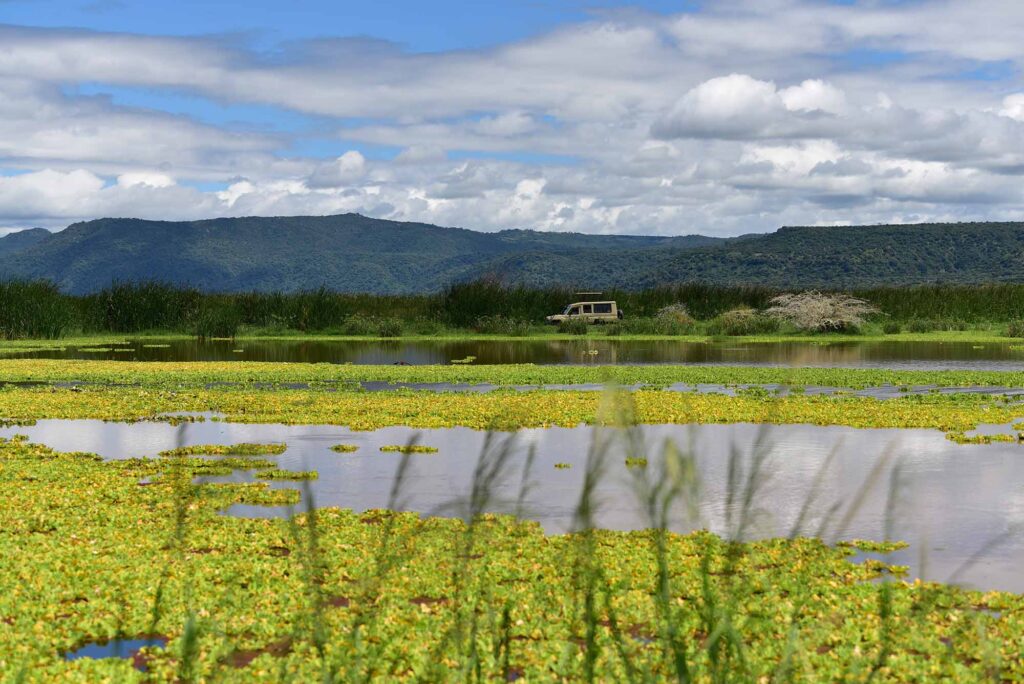
Lake Manyara is one of Tanzania’s finest gems, stretching more than 30 miles (50 km) along the base of the Rift Valley escarpment. Explore this natural beauty, a great spot for bird watching and home to a large diversity of wildlife, with the help of your expert guide.
The Lake Manyara National Park is one of Tanzania’s most dramatically located African wildlife areas, consisting of a massive but shallow soda lake (covering two-thirds of the park) at the foot of the Great Rift Valley’s western escarpment.
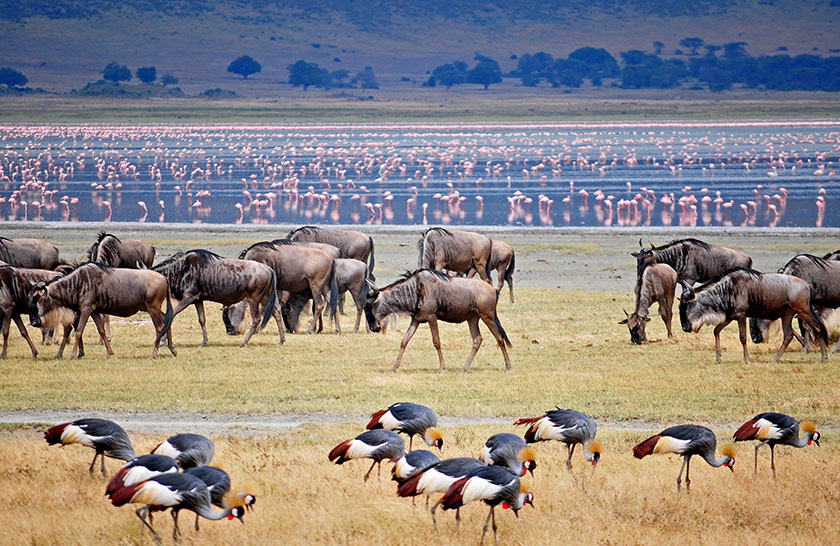
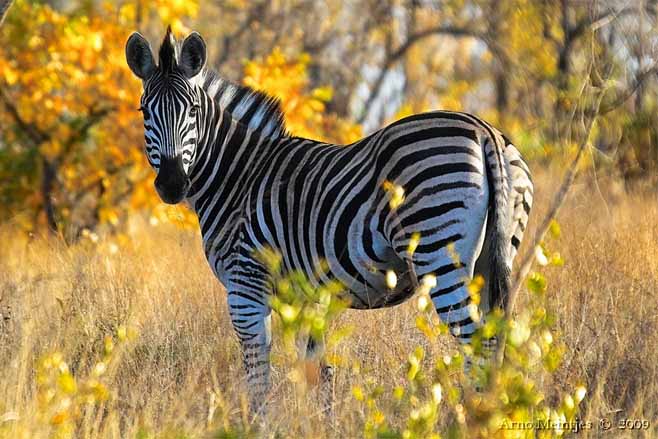
The grassy floodplain, contrasting starkly with the intimacy of the forest, with expansive views eastward across the alkaline lake to the jagged blue volcanic peaks rising from the endless Maasai Steppes. See the large buffalo, wildebeest, and zebra herds congregating on the grassy plains.
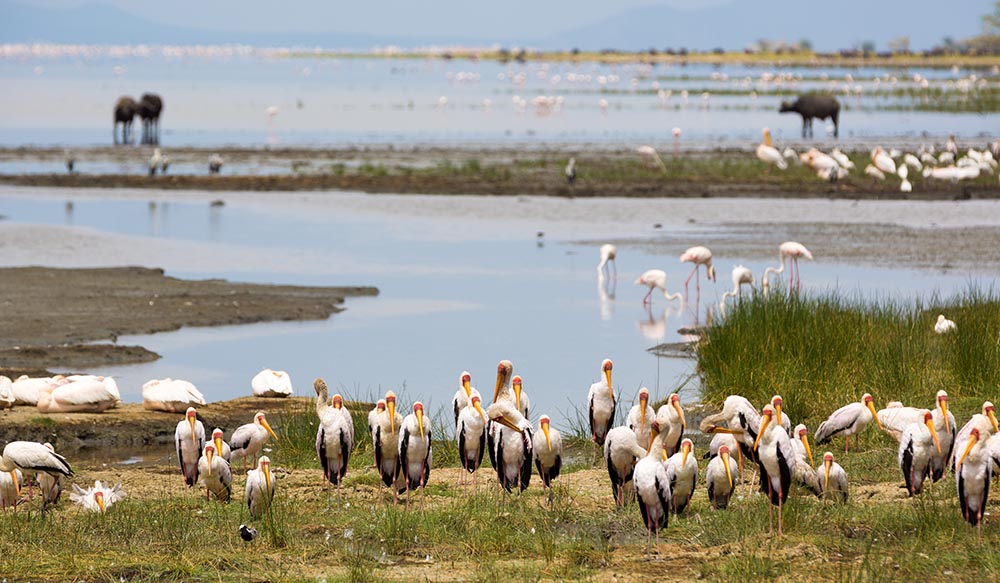
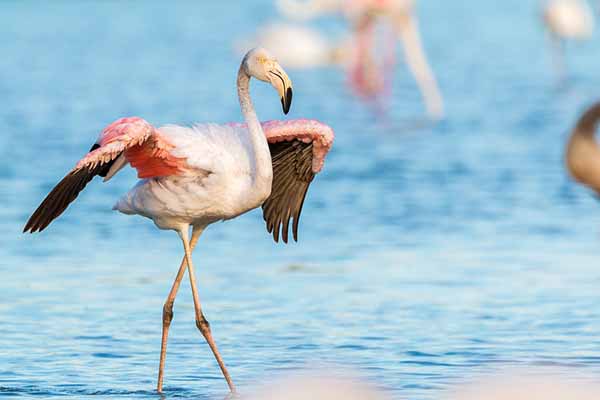
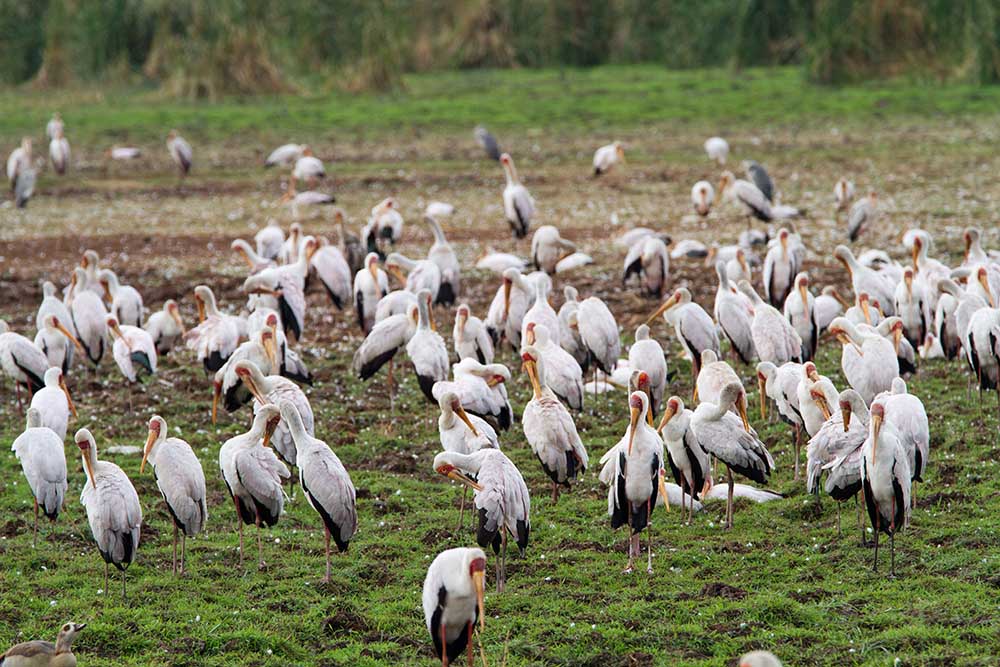
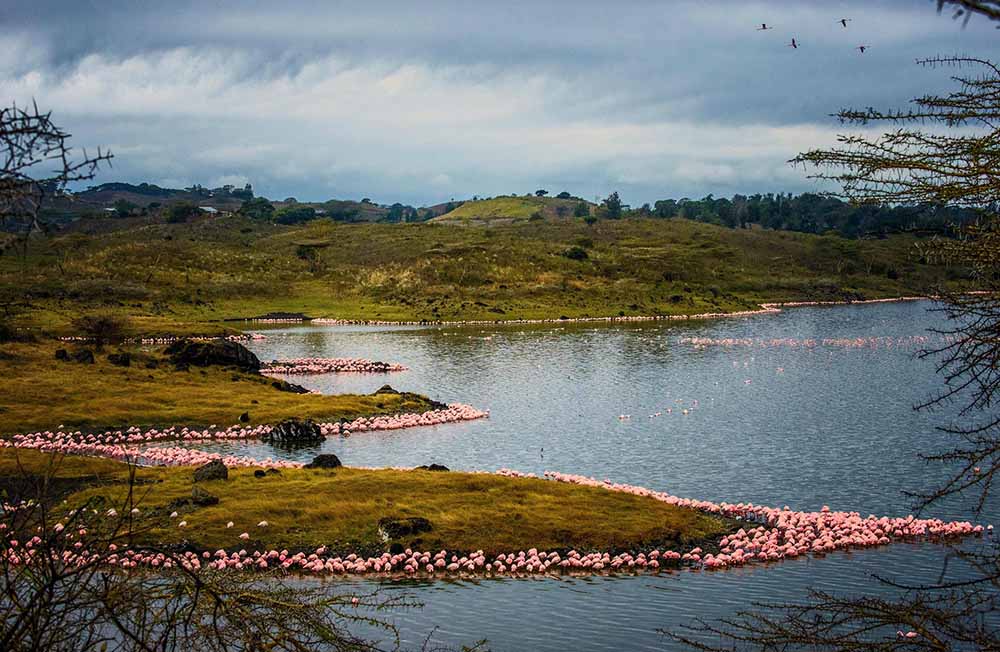
Manyara National Park provides the perfect introduction to Tanzania’s birdlife. More than 400 species have been recorded in the area, and even a first-time visitor to Africa might reasonably expect to observe 100 of these in one day. Highlights include thousands of pink-hued flamingos on their perpetual migration, as well as other large water birds such as pelicans, cormorants, and storks.
Attractiveness of Lake Manyara NP
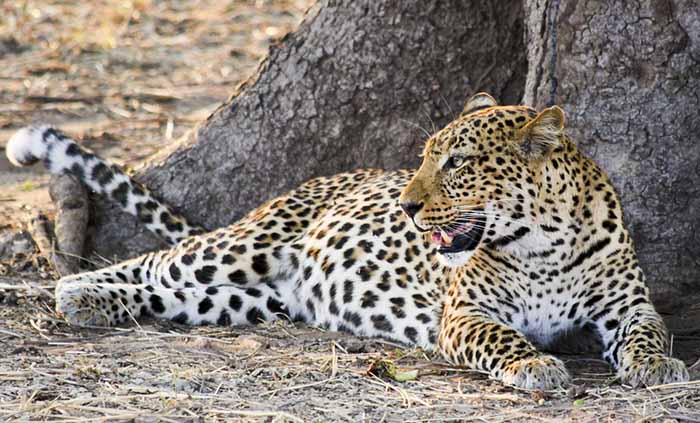
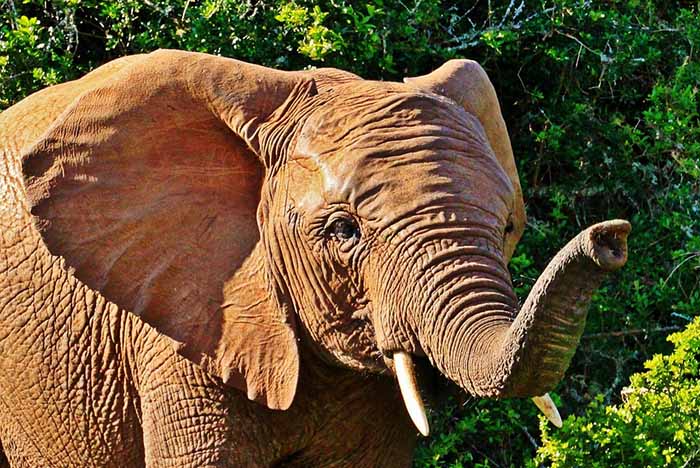
The park’s varied habitat attracts a wide variety of animals, including
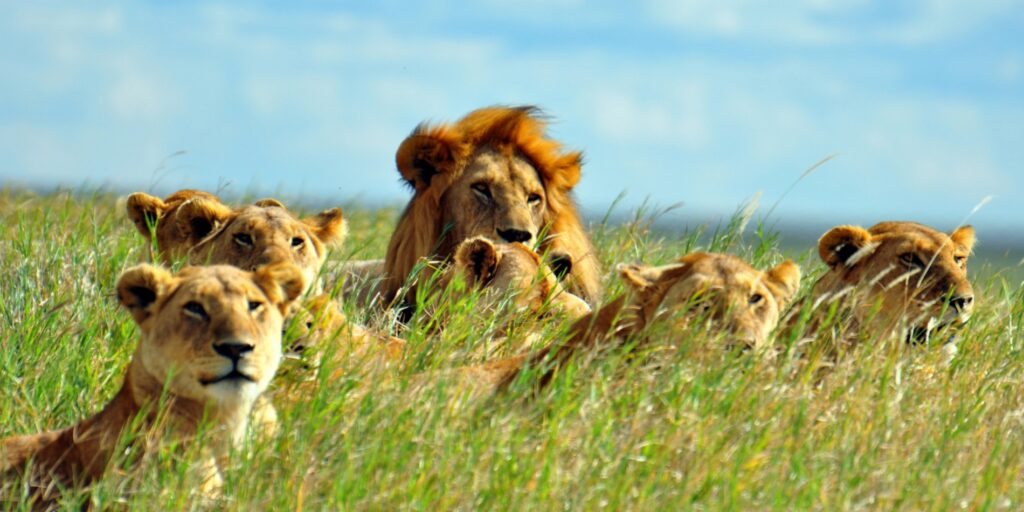
One of Africa’s densely populated African elephants herds, Lake Manyara’s famous tree-climbing lions
As well as large flocks of flamingos, attracted by the algae in the lake.
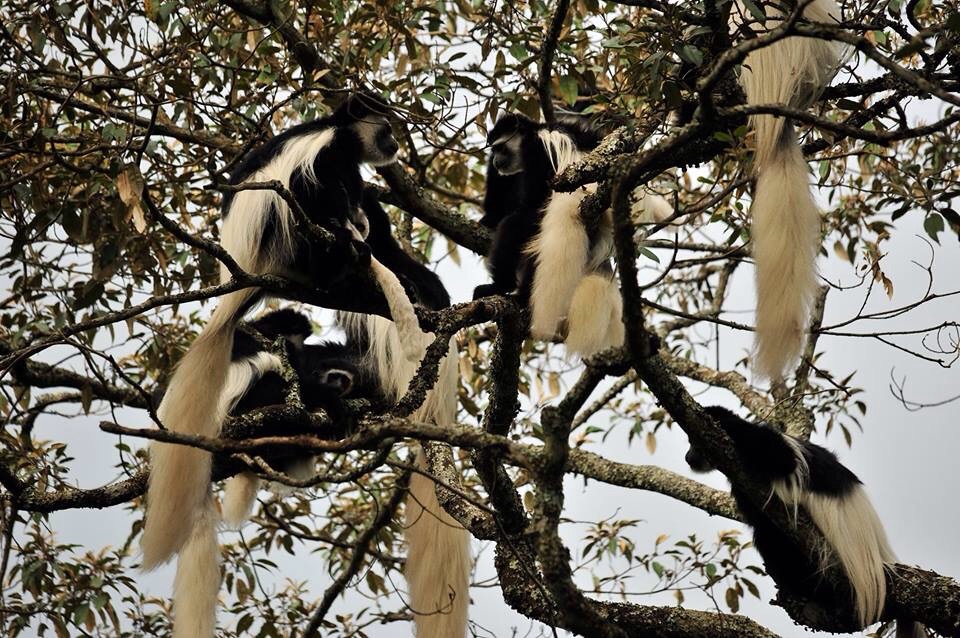
Large troops of baboons that frequently lounge along the roadside or blue monkeys scampering nimbly through the ancient mahogany trees.
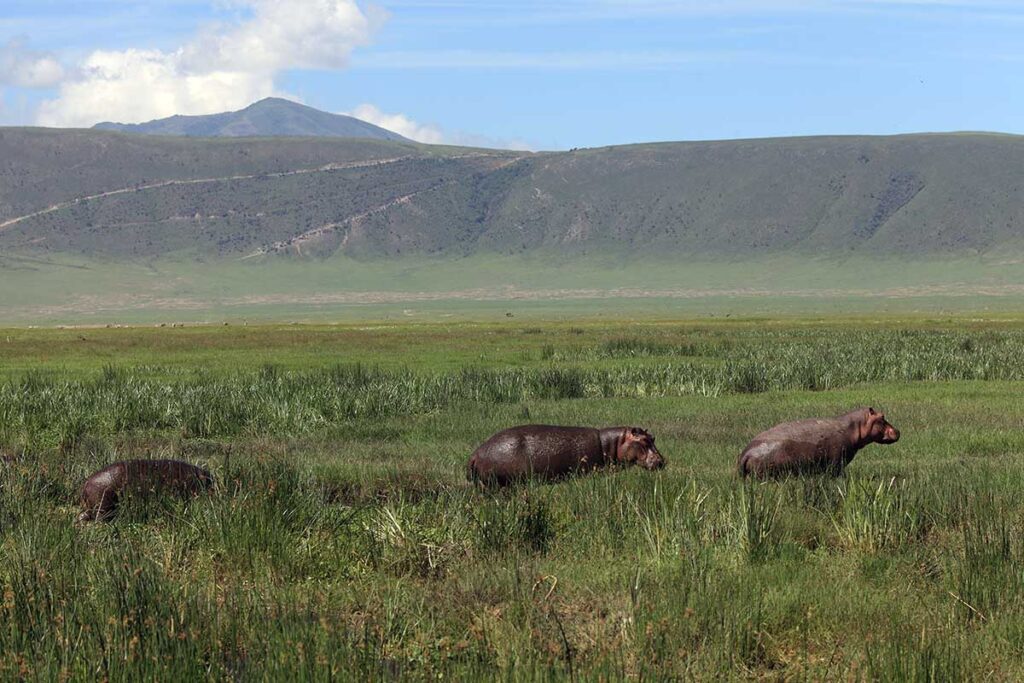
Other animals seen are zebras, impalas, monkeys, giraffes, buffalos, hippos, and others
REALISTIC FACTS
Dry season runs from July to October. The scarcity of water makes it ideal for viewing large mammals. Travelers who venture to Lake Manyara between November and June will have the best chance of spotting rare birds and enjoying the waterfalls and canoeing during rainy season.
The Tarangire National Park is located between the meadows of Masai Steppe to the south east and the lakes of the Great Rift Valley to the north and west. Among the rolling area where the park lies, it occupies an area of 2,600 square kilometers. The perennial Tarangire River takes over the northern part of Tarangire. Through the cut ditches, the River flows upwards up to when it leaves the corner of the park, in the North West flowing into Lake Burungi. There are a number of wide swamps which dry into green plains during the dry season in the south.
Attractiveness of Tarangire National Park
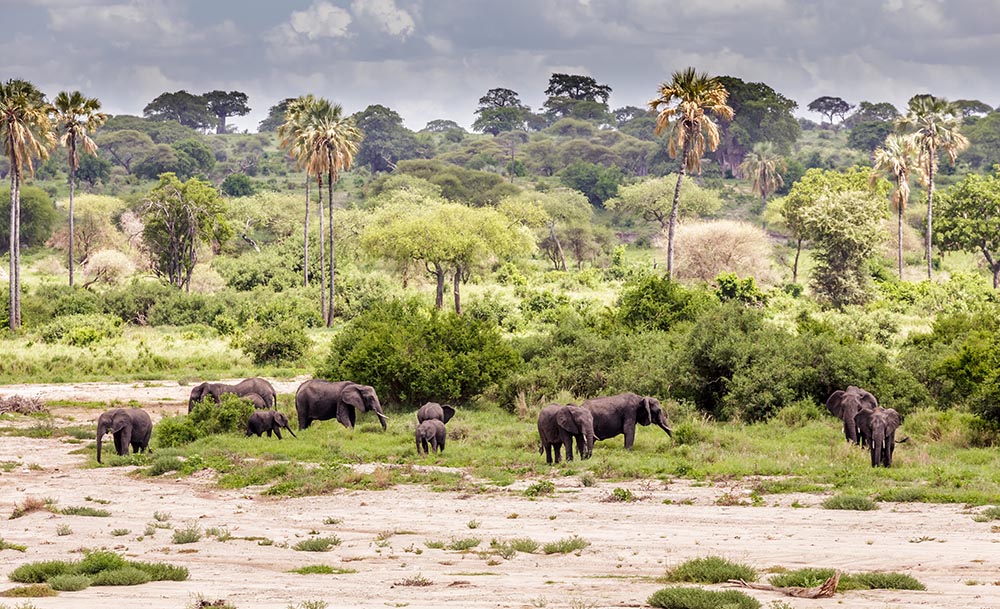
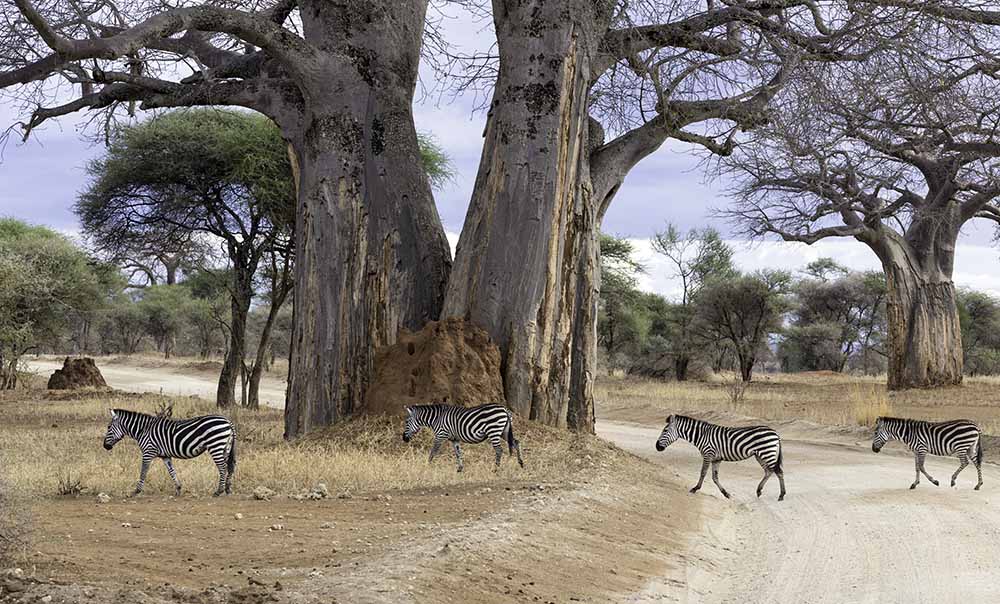
Its natural vegetation mainly consists of Acacia woodland and giant African Baobab trees, with huge swamp areas in the south. Both the river and the swamps act like a magnet for wild animals, during Tanzania’s dry season.
The Tarangire National Park is reputed to contain some of:
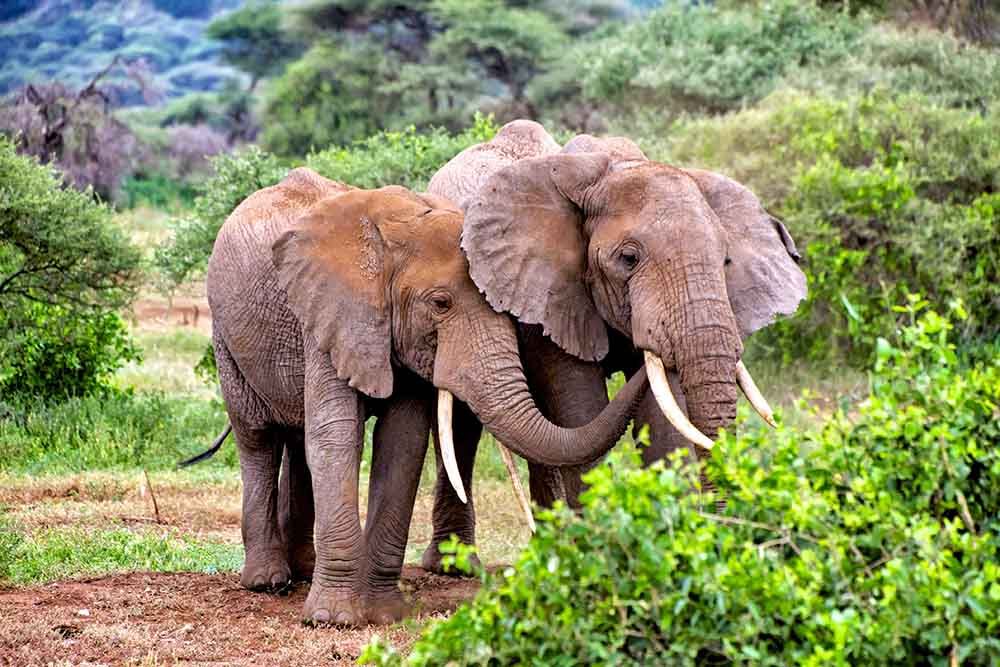
The largest elephant herds in Africa.
Keep your eyes trained for hartebeests, gazelles and exotic birds like the bateleur and martial eagle
Where open grasslands, acacia trees and the Tarangire River paint the wild landscape
REALISTIC FACTS
The wild animals in this park differ depending on the season. It is also linked to the fact that Tarangire is just a part of the bigger ecosystem. Many of the animals leave the park during the months of November to May. The zebras as well as large herds of wildebeests move into the north-western direction towards the Rift Valley floor amongst the large numbers of animals that spread across the large open areas of the Masaai Steppe.
The birds within the Tarangire are also quite many, there are over 500 species that have been identified here. The lovebirds that are yellow collared, the shy starlings are in plenty and widespread in Tanzania.
On a continent known for its wildlife and safaris, few national parks hold the same iconic status as the Serengeti, Tanzania’s oldest and most popular reserve. Home to all of Africa’s Big Five, this massive park spans some 12,000 square miles of savannah, open plains and rugged cliffs that some one million wildebeests, 200,000 zebra and 300,000 gazelle call home.
Each year, these animals make a three-week pilgrimage from the Serengeti to Maasai Mara in search of better grazing and more plentiful water. This incredible event, commonly referred to as “the great migration,” is unlike any other game viewing experience on earth. The sheer volume of animals can make passing in safari trucks nearly impossible, as thousands of zebras and wildebeests fan out over the plains. Regardless of the time of year, travelers will likely spot prides of lions, giraffes, rhinos, and maybe even a cheetah.
Attractiveness of Serengeti National Park
The best adventure that you will never regret in Serengeti national park is to be one of among few fortunate people to glide in a Hot Air Balloon over the Serengeti Plains (available at additional cost by pre-arrangement). Floating silently above the awakening bush, while spotting wildlife and enjoying the amazing scenery of Africa, across rivers and over numerous small villages.
Game viewing along the Sogore River Circuit, which loops into the plains south of the Seronera River, and which is good for possible lion, Thomson gazelle, topi, ostrich and cheetah sightings. The visitor’s centre not far from the Serengeti Seronera Lodge and public campsites, is well worth a visit after the morning’s game drive.
REALISTIC FACTS
Travelers looking to witness the migration should plan to visit the park between May and August and from October to December. While the concentration of animals is less impressive between June and October, visitors can still find an impressive array of wildlife and will likely catch predators on the hunt. The Serengeti has four lodges and six tented camps within its borders that offer travelers a variety of accommodations.
The Ngorongoro Conservation Area spans vast expanses of highland plains, savanna, savanna woodlands and forests. Established in 1959 as a multiple land use area, with wildlife coexisting with semi-nomadic Maasai pastoralists practicing traditional livestock grazing, it includes the spectacular Ngorongoro Crater, the world’s largest caldera. The property has global importance for biodiversity conservation due to the presence of globally threatened species, the density of wildlife inhabiting the area, and the annual migration of wildebeest, zebra, gazelles and other animals into the northern plains. Extensive archaeological research has also yielded a long sequence of evidence of human evolution and human-environment dynamics, including early hominid footprints dating back 3.6 million years.
Attractiveness of Ngorongoro Crater
Ngorongoro Crater is one of the most famous and interesting of Tanzania’s national parks because here you can find the greatest number of different animal species:
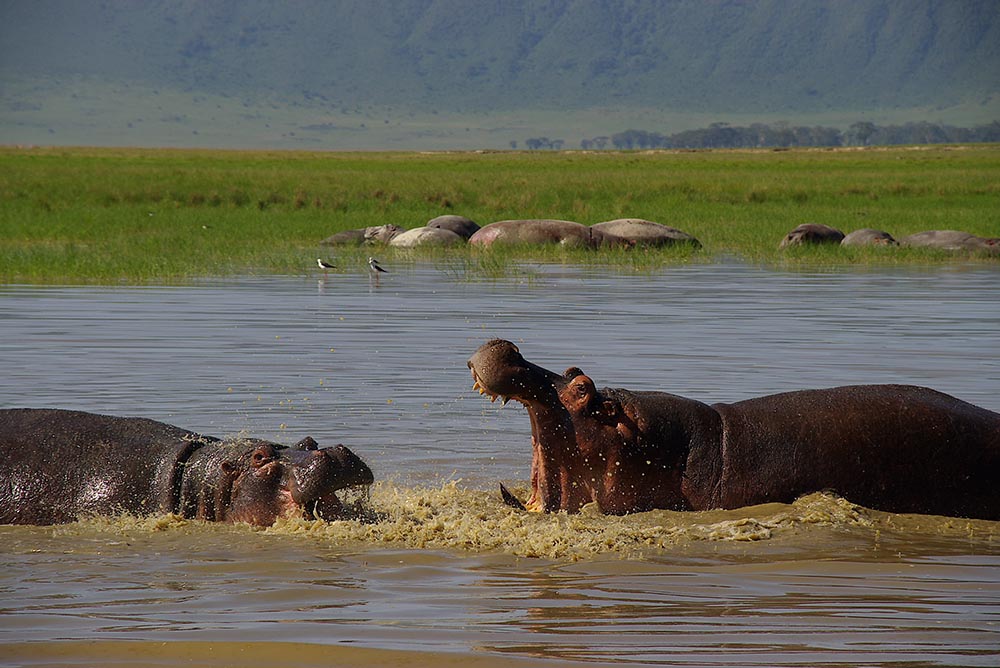
Include herds of wildebeest, zebra, buffalo, eland, warthog, hippo, and giant African elephants.
Another big draw card to this picturesque national park is the dense population of predators, which include lions, hyenas, jackals, cheetahs and the ever-elusive leopard
REALISTIC FACTS
The Ngorongoro Crater is one of the most densely crowded African wildlife areas in the world and is home to an estimated 30,000 animals including some of Tanzania’s last remaining black rhino. Supported by a year round water supply and fodder.
Arusha National Park, stationed in the northeastern region of Tanzania, is located an easy drive from the center of Arusha, making it a popular stop for travelers to this beautiful and diverse city. Despite its relatively small size, Arusha National Park offers visitors a unique opportunity to explore some of East Africa’s diverse environments, as well as gain access to many of the continent’s most famous mammals.
Visitors can explore the Meru Crater funnels in the Jekukumia River, hike to the apex of Mount Meru and enjoy breathtaking views, or embark on a wildlife adventure to grasslands of the Ngorongoro Crater. Though travelers won’t find the same number of animals in Arusha National Park as some of Tanzania’s bigger reserves, they’ll still get a taste of what makes this one of the country’s most popular destinations.
Attractiveness of Arusha National Park
The park may be lion free, but plenty of wild buffalo, giraffe, zebra and monkeys roam the land, as well as an impressive number of indigenous birds.
The park’s three most significant features include:
Mount Meru (Tanzania’s second highest peak at 4566m and is Africa’s fifth highest mountain. This active volcano is a beautiful sight to behold)
Momela Lakes, This collection of seven shallow lakes entices all sorts of wildlife to bask in the alkaline waters. You’ll see waterbucks, dik-diks, zebras, giraffes, and birds galore hanging out at the lakes
Wide Ngurdoto Crater, which was formed about fifteen million years ago.
REALISTIC FACTS
Arusha National Park is home to Mount Meru, the second highest mountain in Tanzania. The park is located northeast of Arusha and less than 60 kilometers from Moshi.